Singapore Travel Guide 2026: Plan Your Perfect Trip
Singapore in 2026 is one of Asia’s most rewarding travel destinations — and far more layered than it looks. This complete travel guide covers where to stay, what to eat, how to get around, what to pack, and the honest things most guides leave out.
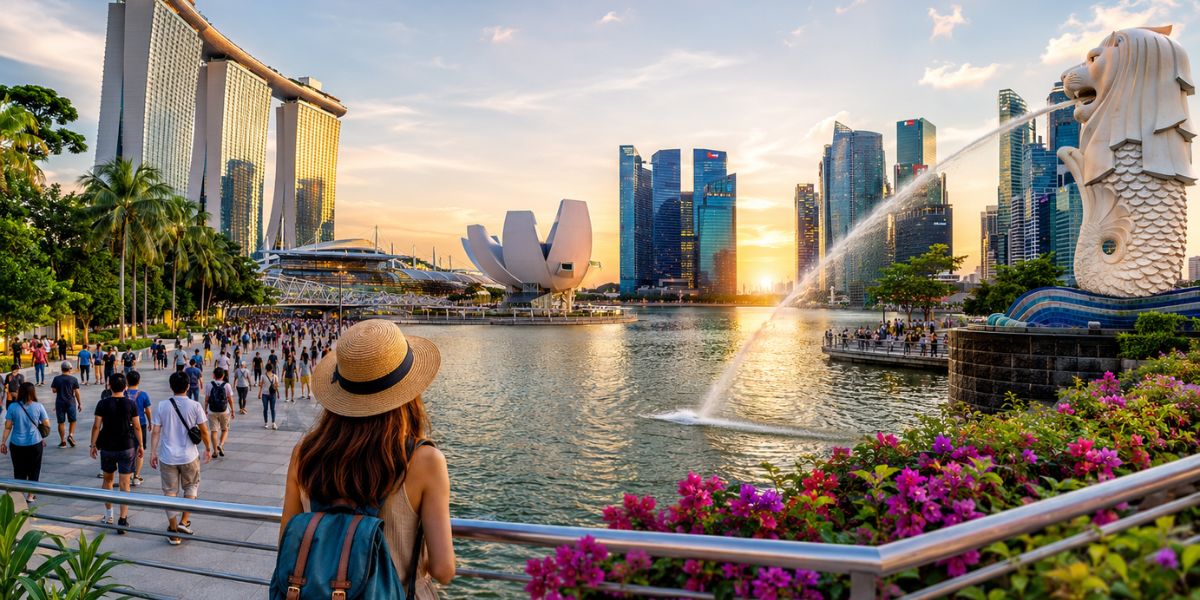
I’ll be honest—Singapore surprised me in all the best ways.
Before visiting, I initially wrote Singapore off as too orderly and polished—a city shaped entirely by planning, efficiency, and strict rules. As a result, I expected little more than spotless malls, structured streets, and an overly predictable travel experience. However, once I arrived, I quickly realized there was far more beneath the surface than I had imagined.
What I didn’t expect, however, was standing at a hawker stall at 10pm, watching families share char kway teow for less than the price of a coffee back home. As a result, I quickly realized I had completely misjudged Singapore.
That’s Singapore in 2026. And this guide is here to make sure you don’t underestimate it, as I did.
Why Singapore Belongs on Your 2026 Travel List
Singapore is a city-state smaller than most national parks — just 733 square kilometers — yet it manages to pack in extraordinary food, world-class architecture, genuine nature, one of the best transport systems on the planet, and a cultural mix that genuinely shapes how the city feels, sounds, and tastes.
In 2026 specifically, Singapore has hit a stride. New hawker concepts have opened alongside long-standing local legends. Independent neighborhoods like Tiong Bahru and Kampong Glam have deepened their identity. The arts and bar scenes have matured. And the city’s post-pandemic energy — confident, welcoming, and genuinely excited about showing itself off — is palpable the moment you step outside Changi Airport.
It’s also an ideal first stop in Southeast Asia because English is widely spoken, making communication easy for first-time travelers. In addition, crime rates are exceptionally low, which helps visitors feel safe while exploring the city. Most importantly, public infrastructure works seamlessly, from MRT transport to airport systems. As a result, if you’re new to the region, Singapore helps you build travel confidence before moving on to more complex destinations.
Best Time to Visit Singapore in 2026
Here’s the truth most travel guides bury: there is no bad time to visit Singapore. Sitting just one degree north of the equator, the city stays warm and humid year-round, with temperatures ranging from 25°C to 32°C in every season.
That said, some windows suit specific travel goals better than others.
February and March are the driest months of the year with the least rainfall. If you’re planning outdoor-heavy days, especially the Southern Ridges walk, East Coast Park, the Night Safari, or Gardens by the Bay after dark, then this period offers the most comfortable weather conditions. As a result, you can explore longer without dealing with extreme heat or sudden downpours.
From June to August, the Great Singapore Sale takes over Orchard Road, turning the retail landscape into a city-wide shopping event. If shopping is even remotely on your agenda, this timing delivers real value.
October to December is the most visually spectacular. Deepavali lights transform Little India in late October, Christmas decorations go up on Orchard Road from mid-November, and the festive energy makes the city feel genuinely alive. New Year’s Eve at Marina Bay is one of the best free fireworks events in Asia.
Monsoon seasons (November–January and May–September) bring heavier rain, but Singapore rain is typically short, sharp, and over within an hour. A good compact umbrella in your bag handles it entirely.
Key takeaway: Prioritize flight deals over timing. Singapore’s year-round climate makes it a flexible destination, so book when you find the best airfare rather than worrying about specific months.
Pack Smart — Amazon Essentials for Singapore: A compact, windproof travel umbrella is non-negotiable in Singapore’s monsoon seasons. We recommend the EEZ-Y Compact Travel Umbrella — lightweight, auto-open, and fits in any daypack. Also consider the Cooling Towel by Ergodyne for outdoor walks in the heat.
Now, how many days do you need in Singapore to make the most of your visit?
3–4 days is the sweet spot for a first visit. That covers the major landmarks, at least two or three hawker meals a day, a deep-dive into a heritage neighborhood, and enough time to get genuinely lost — which is how the best memories in this city are made.
5–7 days lets you go slower and deeper. Add Pulau Ubin (the island that feels like Singapore 50 years ago), a proper morning at Tiong Bahru Market, the Singapore Botanic Gardens, and an evening performance at Esplanade.
Layover of 6+ hours? Leave the airport. The city center is 30 minutes from Changi by MRT. Even a half-day in Kampong Glam or along the Singapore River is better than any airport lounge.
Where to Stay in Singapore: Best Areas by Budget
Where you stay shapes your trip more than the hotel itself. Singapore is small, but the right neighborhood can save you time and transit costs over multiple days.
Orchard Road — Best for First-Timers
Central, connected, walkable, and safe at all hours. This is the classic base for visitors who want to be within reach of everything without having to think too hard. The trade-off is cost — Orchard Road accommodation is expensive.
Top picks:
- The Marriott Tang Plaza Hotel — a decades-old Orchard Road landmark with reliable service, well-maintained rooms, and a rooftop pool
- The Quincy Hotel — smaller, more personal, with all-inclusive breakfast and rooftop pool; better value and more character than its price point suggests
- St Regis Singapore — the premium option on Tanglin Road if budget isn’t a concern
Marina Bay — Best for the Iconic Skyline Experience
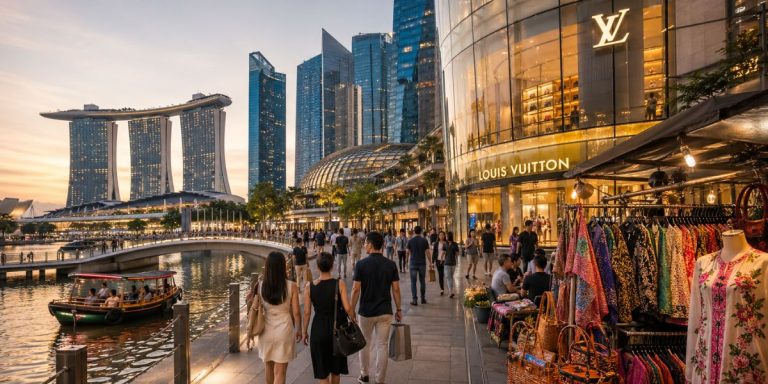
Staying near the bay puts you within walking distance of Gardens by the Bay, ArtScience Museum, and the rooftop views that define Singapore’s global image. Priced to match.
Bugis & Kampong Glam — Best for Independent Travel. This is the sweet spot for 2026. You’re one MRT stop from everywhere, surrounded by unique food and independent retail. Accommodation ranges from solid hostels to boutique hotels that offer great value.iver.
Top picks:
- The Pod Boutique Hostel — consistently rated among the best hostels in Asia; clean, well-run, and sociable.
- Wanderlust Hotel — design-forward boutique with real personality at a reasonable rate
Chinatown & Tanjong Pagar — Best Mid-Range Value
Heritage shophouses converted into boutique stays. A restaurant and bar scene that locals actually use. More authentic neighborhood feel than polished hotel corridors. Strong mid-range value.
Little India — Best Budget Base
The most affordable accommodation in central Singapore. Loud, colorful, full of incredible cheap food, and genuinely vibrant — especially on weekend evenings. Excellent if you want maximum sensory experience on a tight budget. Not ideal if you’re a light sleeper.
Sleep Better Anywhere — Amazon Picks: Whether you’re in a boutique hotel or a hostel bunk, Mack Ultra Soft Foam Earplugs are essential travel gear. For hostels specifically, a Travelon Anti-Theft Runways Small Sling is worth packing to keep documents and cash secure in shared spaces.
Getting Around Singapore: MRT, Grab & Walking
One of the great joys of Singapore is how effortlessly you move through it.
The MRT
Singapore’s Mass Rapid Transit system is clean, air-conditioned, frequent (every 2–5 minutes at peak times), and covers virtually every destination a tourist would want to reach. It operates from around 5:30am to midnight. Fares range from SGD 0.83 to SGD 2.50 for most journeys — genuinely affordable.
EZ-Link Card: Pick one up at any MRT station counter or 7-Eleven for SGD 12 (includes SGD 7 travel credit and SGD 5 non-refundable card fee). Tap in at entry, tap out at exit. Top up at ticketing machines — always check your credit before going through the fare gates, as top-up machines sit outside them, not inside.
Tourist Day Ticket (SGD 22): Covers unlimited MRT and bus rides for three consecutive days. Worth it if you’re making four or more journeys daily — do the maths against your itinerary.
Grab
Singapore’s dominant ride-hailing app. Download it before you land. More expensive than the MRT but genuinely useful for late nights, heavy shopping days, or destinations the train doesn’t conveniently reach. Far cheaper than metered taxis for most routes.
Walking
Key takeaway: Walking is practical and comfortable in Singapore if you plan for peak heat, thanks to covered walkways and good footpaths. Early mornings or late afternoons are best for outdoor exploration.
The heritage districts — Chinatown, Little India, Kampong Glam, Tiong Bahru — are best explored entirely on foot.
Travel Tech for Singapore — Amazon Picks: Stay connected without expensive roaming with a Roaming Man Global SIM Card that covers Singapore and the wider Asia-Pacific region. Pair it with an Anker 20,000mAh Power Bank — Singapore’s heat drains phone batteries faster than you’d expect, and you’ll be using Google Maps constantly.
Top Things to Do in Singapore in 2026
Gardens by the Bay is Singapore’s signature experience. The Supertree Grove night light show is stunning—something that seems impossible yet exists. The Cloud Forest dome is one of Asia’s most beautiful indoor spaces. Plan at least two hours; you’ll likely stay longer. The outdoor gardens are free; domes require tickets.
Marina Bay Sands SkyPark
The observation deck is open to non-hotel guests and is worth every dollar at dusk, when the skyline transitions from golden hour to a fully lit night city. One of the top photography spots in Asia, and justifiably so.
Hawker Centers (Go Every Single Day)
This is not optional. Hawker food is the soul of Singapore: locals eat at hawker centers, the city’s food culture thrives here, and you can get an extraordinary meal for under SGD 8. So, to experience authentic Singapore, eat at a hawker center.
The ones worth going slightly out of your way for:
- Maxwell Food Center — Tian Tian Hainanese Chicken Rice has a queue for good reason.
- Lau Pa Sat — a Victorian cast-iron market in the heart of the CBD, particularly atmospheric at night with satay stalls lining the adjacent street
- Tiong Bahru Market — the neighborhood classic; go early for the popiah and carrot cake
- Old Airport Road Food Center — a local favorite, less on the tourist trail, with an exceptional variety
The Southern Ridges
A 10-kilometer trail connecting Mount Faber Park, Telok Blangah Hill, and HortPark through elevated canopy walkways above the treeline. One of the best free outdoor experiences in Singapore — and almost entirely unknown to first-time visitors. Early morning recommended.
Tiong Bahru on a Sunday Morning
The oldest housing estate in Singapore, Tiong Bahru, is full of independent bookshops, excellent cafes, a wonderful wet market, and residents going about their actual lives. It’s the antidote to the polished tourist trail and one of the most genuinely pleasant ways to start a day in this city.
Singapore River Bumboat Ride
A 20-minute bumboat ride connecting Boat Quay, Clarke Quay, and Robertson Quay offers a water-level perspective on how dramatically the city has transformed from its colonial-era trading port origins. Short, affordable, and surprisingly moving.
Little India and Kampong Glam
Singapore’s cultural neighborhoods are not for show. Little India around Serangoon Road feels genuinely alive — temples, spice shops, textile merchants, and some of the best South Indian food you’ll eat anywhere. Kampong Glam’s Sultan Mosque, the heritage shophouses of Haji Lane, and the independent boutiques and cafes that line the surrounding streets make for an afternoon that stays with you.
Photography & Exploration Gear — Amazon Picks: Singapore’s architecture and light are genuinely photogenic. The DJI Osmo Pocket 3 is ideal for handheld travel video and low-light hawk shots. For walkers doing the Southern Ridges, Merrell Moab 3 Ventilator Trail Shoes offer breathable comfort for Singapore’s mix of pavement and nature trails.
Singapore Packing List: What to Actually Bring
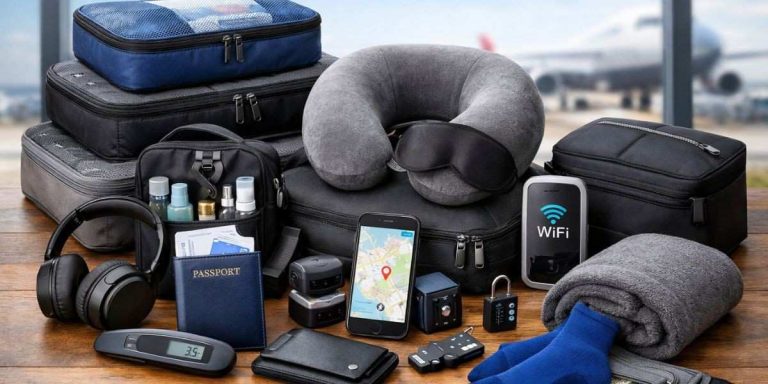
Singapore’s climate is specific enough that packing right genuinely changes your comfort level.
You absolutely need:
- Lightweight, breathable clothing (linen or moisture-wicking synthetics)
- A compact foldable umbrella — not optional during monsoon months
- A light cardigan or packable layer for aggressive air conditioning in malls, taxis, and restaurants
- Comfortable walking shoes — you will walk more than you expect
- High-SPF sunscreen — the equatorial sun is intense even when overcast
- A reusable water bottle — Singapore tap water is safe to drink, and staying hydrated matters in the heat.
Leave at home:
- Chewing gum (not sold; importing personal use quantities is technically permitted but pointless)
- Heavy winter layers of any kind
- Expensive jewelry you’re not prepared to pay attention to (though Singapore is very safe)
Complete Singapore Packing Picks — Amazon:
- Men’s/Women’s Quick-Dry Lightweight Shorts — breathable and practical for Singapore heat
- EltaMD UV Clear SPF 46 Broad Spectrum — lightweight sunscreen that doesn’t feel heavy in humidity
- Hydro Flask 24oz Travel Bottle — keeps water cold for hours in the heat.
- Travelon Anti-Theft Packable Backpack — lightweight day pack for hawker center and temple days.
- Type G Travel Adapter — Singapore uses Type G three-pin plugs; this is critical if you’re coming from the US or Europe.
Singapore Money & Budget: What Things Actually Cost
Singapore is not a cheap city. But it’s absolutely a city where smart spending dramatically changes your daily costs.
Budget level (SGD 80–130/day): Hostel bed, hawker meals three times a day, MRT transport, free parks and neighborhoods. Completely manageable and genuinely enjoyable.
Mid-range (SGD 200–350/day): Boutique hotel or good guesthouse, mix of hawker and sit-down restaurant meals, Grab rides, paid attractions like Gardens by the Bay domes and Marina Bay Sands SkyPark.
Premium (SGD 500+/day): Marina Bay Sands or St Regis level accommodation, high-end restaurant meals, private tours.
Currency: Singapore Dollar (SGD). Major cards are accepted almost universally. ATMs are widely available and reliable. Tipping is not customary — most restaurants already add a 10% service charge, and additional tipping is neither expected nor necessary.
Honest Singapore Travel Tips Nobody Puts in the Guide
The hawker food is the whole point. You can eat extraordinarily well for SGD 4–8. Don’t spend every meal in a restaurant. The hawker food is better, cheaper, and more honest than most of what you’ll find in sit-down places at twice the price.
Carry a cardigan everywhere. Singapore’s indoor air conditioning is genuinely aggressive. Restaurants, taxis, offices, and malls are kept at temperatures that feel extreme after the outdoor heat. You will want a layer.
Grab is better than taxis. For most journeys, it’s cheaper, easier, and faster than flagging a cab.
The city is completely safe. Solo travel, night walks, leaving your bag at a hawker table while you order — all normal here. Singapore consistently ranks among the world’s safest cities for visitors.
Go to Tiong Bahru. Most tourists don’t. It is, genuinely, one of the most pleasant ways to spend a morning in this city. Independent bookshops, great coffee, a real wet market, and a neighborhood that feels like it belongs to the people who live there.
The Singapore Botanic Gardens are free and extraordinary. A UNESCO World Heritage Site with 162 years of history, the National Orchid Garden (small entry fee), and enough green space to feel like the city has completely disappeared. Don’t skip it.
Is Singapore Worth the Cost?
Yes. Without hesitation.
Singapore is not cheap. Accommodation runs expensive. Sit-down restaurant meals cost real money. But the city delivers on every promise — the infrastructure removes the friction that drains you in other destinations, the food lives up to its extraordinary reputation, and the neighborhoods have genuine character that rewards time spent.
The sheer improbability of what Singapore has built — a functioning, multicultural, prosperous city-state on a small tropical island with no natural resources — gives everything you experience here a quality that’s hard to name but impossible to ignore once you understand the context.
Come for three days. You’ll start planning the return trip on day two.
Quick-Reference Singapore Facts
| Detail | Info |
| Currency | Singapore Dollar (SGD) |
| Language | English (official), Mandarin, Malay, Tamil |
| Plug Type | Type G (UK-style, 3-pin) |
| Tap Water | Safe to drink |
| Emergency Number | 999 (police), 995 (ambulance/fire) |
| Airport | Changi Airport (SIN) — 30 min to city by MRT |
| MRT Hours | ~5:30am–midnight daily |
| Average Temp | 25°C–32°C year-round |
| Tipping | Not customary |
| Visa | Visa-free for most nationalities up to 30–90 days |
FAQs
It can be, but it doesn’t have to be. Hawker center meals cost SGD 4–8, the MRT is cheap, and free attractions like the Botanic Gardens and Southern Ridges are genuinely excellent. Budget travelers can manage comfortably on SGD 80–130 per day.
Exceptionally so. Singapore is consistently ranked among the world’s safest cities. Night walks, solo public transport, and leaving belongings unattended at hawker tables are all standard practices.
No. English is an official language in Singapore and is used in everyday life, on all signage, and in virtually every interaction you’ll have as a visitor.
Maxwell Food Center and Old Airport Road Food Center are the most beloved by locals. For the atmosphere, Lau Pa Sat in the evening is hard to beat.
About 30 minutes by MRT on the East-West Line, or 20–30 minutes by Grab/taxi depending on traffic. The Airport is extremely well-connected.
Disclosure: This post contains Amazon affiliate links. As an Amazon Associate, we earn a small commission from qualifying purchases at no additional cost to you. We only recommend products we genuinely believe add value to your trip.
Sources & further reading
For readers who want to go deeper, these are the sources worth trusting: