
5 Stress Management Techniques to Relieve Stress Fast
This article includes some shopping links. If you choose to buy through them, I may earn a small…

This article includes some shopping links. If you choose to buy through them, I may earn a small commission at no extra cost to you. I only recommend gifts that are popular, well-reviewed, and genuinely worth the money.
“Do you ever feel stressed for no clear reason?”
“Like your thoughts won’t slow down?”
“Like even resting doesn’t feel restful?”
That’s stress—and it happens to almost everyone. You don’t need an hour-long routine to interrupt a stress spiral — a few minutes, used well, does more than people expect. The five techniques below are the ones I return to because they work in the moment, not just in theory.
Each comes with the one product that genuinely helps the habit stick — no gadget drawer required.
1. Deep Breathing to Calm Your Nervous System
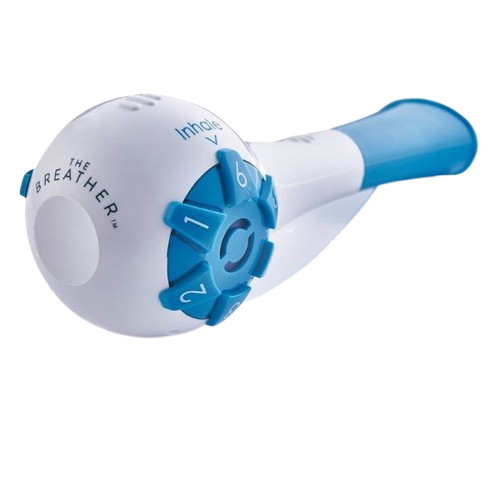
One of the fastest stress management techniques is deep breathing. When stress hits, breathing becomes shallow. This sends a danger signal to your brain. Slowing your breath tells your body that it is safe to relax.
Popular Product: Breathing Exercise Device
A breathing exercise device gives the technique a physical anchor — you exhale against gentle resistance, which slows the breath without counting. Reviewers consistently mention feeling calmer within minutes, and there is no app or phone involved. These tools are small, easy to carry, and useful at work or home. No batteries, no charging, nothing to set up. Because the effect is quick, it is an easy habit to keep.
👉 I recommend this first because breathing is the fastest way I know to reduce stress.
2. Muscle Relaxation to Release Physical Stress
Stress doesn’t stay only in your mind. It builds up in your neck, shoulders, and back. One of the most effective stress management techniques is relaxing tight muscles so your body can fully unwind.
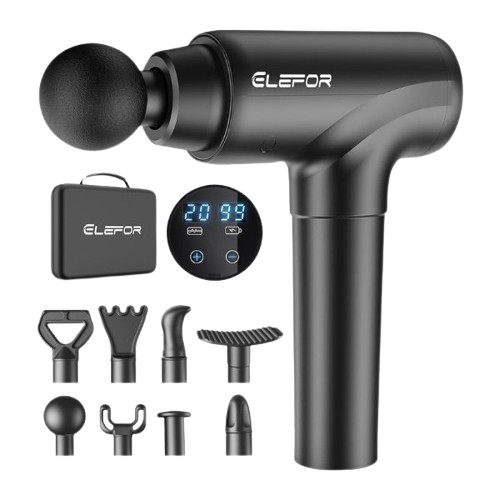
Popular Product: Handheld Electric Massager
A handheld massager gets at that tension directly, on your schedule, without an appointment. Most people feel the difference after the first proper session on a tight shoulder. You control the pressure, which matters — a massage that hurts is not relaxing anyone. If your stress lives in your neck and shoulders, this earns a permanent spot by the sofa.
👉 If your stress lives in your shoulders or neck, start here rather than with the breathing tools.
3. Aromatherapy: Working With the Nose-Brain Shortcut
Smell has a strong connection to emotions. Aromatherapy is one of the most calming stress management techniques, especially for people who feel mentally tired or anxious.
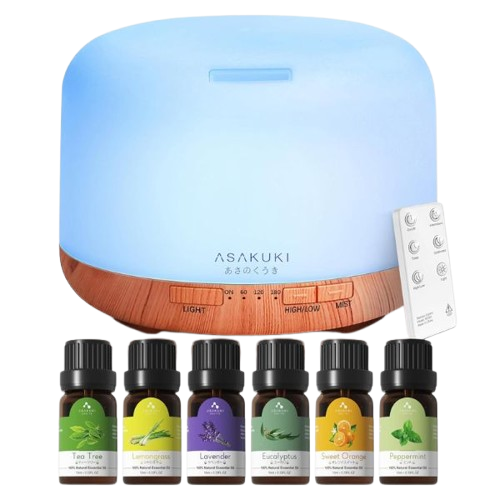
Popular Product: Essential Oil Diffuser with Oils
A diffuser turns the technique into background infrastructure — fill it, switch it on, and the room does the rest. Many users say the scent helps them relax while working or sleeping. Buyers also enjoy that diffusers improve the mood of a room and make it feel peaceful. Because they work quietly in the background, people keep them running for hours, making them a favorite for stress relief and sleep.
👉 I personally like using this at night to help my mind slow down.
4. Journaling to Clear Stressful Thoughts
Another powerful stress management technique is writing. When thoughts stay in your head, stress grows. Writing them down helps release mental pressure and brings clarity.
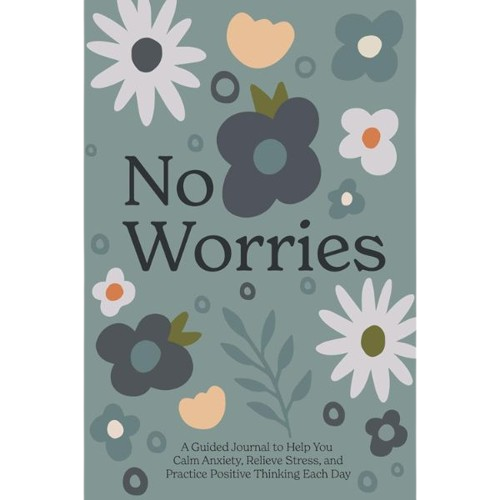
Popular Product: Guided Stress Relief Journal
People buy guided journals because they remove confusion about what to write. The simple prompts help users express feelings without overthinking. Many buyers say journaling helps them feel lighter and more in control of their emotions. Because it only takes a few minutes a day, people stick with it longer than regular notebooks.
👉 This is one of the simplest and most affordable stress tools available.
5. Better Sleep to Break the Stress Cycle
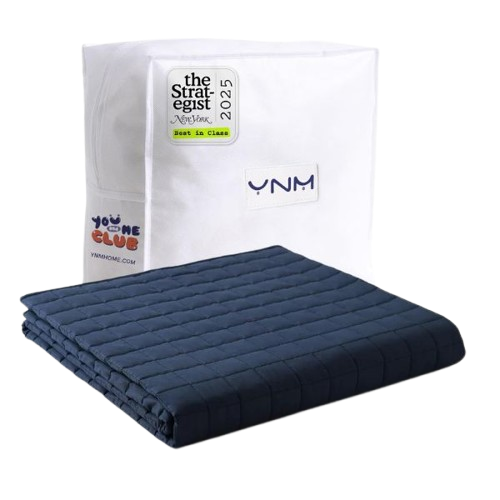
Poor sleep increases stress, and stress ruins sleep. Improving sleep is one of the most important stress management techniques for long-term relief.
Popular Product: Weighted Blanket
People buy weighted blankets because they help the body feel calm and secure. Many users report deeper sleep and fewer anxious thoughts at night. Buyers also say the gentle pressure feels comforting, almost like a hug. Better sleep compounds everything else on this list — a rested nervous system simply has more slack before it hits overload.
👉 If stress keeps you awake, this is one product I strongly recommend.
Stress Management Technique with a Step-by-Step Practice Guide
Readers often know what to do but not how to do it. Adding actionable instructions increases engagement and time on page.
Deep Breathing Exercise
How to Practice Deep Breathing in 2 Minutes
- Sit comfortably with your feet flat on the floor.
- Place one hand on your chest and one on your stomach.
- Slowly inhale through your nose for 4 seconds.
- Hold your breath for 4 seconds.
- Exhale gently through your mouth for 6 seconds.
- Repeat the cycle 5–10 times.
- Focus only on the movement of your breath.
Best for: Work stress, anxiety before meetings, and sudden emotional overwhelm.
Quick Tip: Longer exhalations help activate the body’s relaxation response.
Mindfulness Meditation
5-Minute Beginner Mindfulness Practice
- Sit in a quiet place.
- Close your eyes or soften your gaze.
- Take three slow breaths.
- Focus on your breathing.
- When thoughts arise, notice them without judgment.
- Gently return attention to your breath.
- Continue for 5 minutes.
Best for: Racing thoughts and mental fatigue.
Quick Tip: Consistency matters more than duration. Even a few minutes daily can help reduce stress.
Progressive Muscle Relaxation
Step-by-Step Muscle Relaxation Technique
- Sit or lie down comfortably.
- Start with your feet.
- Tighten the muscles for 5 seconds.
- Release completely for 20–30 seconds.
- Move to calves, thighs, abdomen, arms, shoulders, and face.
- Notice the difference between tension and relaxation.
- Finish with three deep breaths.
Best for: Physical tension, headaches, and stress-related muscle tightness.
Quick Tip: Practice before bedtime for improved relaxation.
Physical Activity
10-Minute Stress-Relief Walk
- Put away your phone if possible.
- Walk at a comfortable pace.
- Focus on your surroundings.
- Take slow, deep breaths while walking.
- Notice sounds, colors, and movement around you.
- Continue for at least 10 minutes.
Best for: Workplace stress and mental exhaustion.
Quick Tip: Even short walks can boost mood and reduce stress levels.
Journaling
Brain-Dump Journaling Method
- Set a timer for 5 minutes.
- Write everything on your mind.
- Don’t worry about grammar or structure.
- List current worries and concerns.
- Write one possible solution for each problem.
- End by writing three things you’re grateful for.
Best for: Overthinking and emotional overwhelm.
Quick Tip: Writing thoughts down can help organize emotions and reduce mental clutter.
Final Thoughts: Choose One Stress Management Technique Today
You don’t need to do everything at once. The best stress management techniques work when you start small and stay consistent.
Ebook: Mindfulness and Stress Reduction Techniques is a simple, practical that provides a guide to calming your mind, easing stress, and finding daily balance through mindfulness and easy relaxation habits.
👉 If I were starting today, I’d pick the one tool that matches my biggest stress problem and use it daily. Small steps can bring real relief—starting today.
Frequently Asked Questions
1. What are the fastest drug-free ways to relieve stress?
Slow breathing, a short walk, stretching, music you already love, and physically stepping away from the stressful thing — those five cover most situations. Two minutes of slow exhales or a lap around the block is usually enough to bring the temperature down. Small stress-relief habits practiced regularly often make a big difference over time.
2. How can I calm my mind when I feel overwhelmed?
When you feel overwhelmed, try focusing on one thing at a time instead of thinking about everything at once. Deep breathing, journaling, mindfulness exercises, or talking to someone you trust can help clear your mind. Many people also find that reducing screen time and taking short breaks during busy days helps them feel mentally lighter and more in control.
3. Can exercise help reduce stress quickly?
Yes, exercise is one of the most effective natural stress relievers. Physical activity helps release endorphins, which are chemicals that improve mood and reduce tension. Even simple activities like walking, yoga, stretching, or light workouts can help lower stress levels and improve mental clarity. Regular exercise also supports better sleep and emotional balance.
4. What are the common signs of too much stress?
Common signs of high stress may include headaches, fatigue, irritability, trouble sleeping, anxiety, muscle tension, lack of focus, and feeling emotionally drained. Some people also notice changes in appetite or motivation during stressful periods. Recognizing these signs early can help you take action before stress starts affecting your physical and mental health more seriously.
5. How can I manage stress in daily life more effectively?
Managing stress becomes easier when you build healthy daily habits. Getting enough sleep, eating balanced meals, exercising regularly, staying organized, and taking breaks can all help reduce stress levels. Setting boundaries, avoiding overworking, and making time for relaxation or hobbies also play an important role in maintaining long-term emotional well-being.
Sources & further reading
The recommendations here draw on the following independent sources:
General information, not medical advice. If stress feels unmanageable or persistent, a GP or mental-health professional is the right next step.