
Gut Health: Restore Digestion & Boost Immunity Naturally
Gut health plays a major role in digestion, immunity, and daily energy. Learn how to restore balance naturally and support your body from within.

Gut health is the foundation of how your body feels every single day. When your gut is balanced, digestion feels easy, energy stays steady, and your immune system works the way it should. But when your gut is weak, even healthy food may not help. Many people feel bloated, tired, or sick often without knowing that their gut is the real problem.
Today, more people are searching for simple ways to restore gut balance because digestion and immunity are deeply connected.
Why Gut Health Matters More Than You Think
Your gut does more than digest food. It is home to trillions of bacteria that help your body absorb nutrients, fight infections, and control inflammation. Poor gut health can lead to:
- Gas, bloating, and constipation
- Low immunity and frequent illness
- Skin problems and food sensitivities
- Brain fog, mood changes, and fatigue
When your gut lining is damaged, nutrients do not absorb well. This makes your body weak even if you eat well.
Signs Your Gut Needs Healing
Many people ignore early warning signs. Watch for these common symptoms:
- Feeling bloated after small meals
- Irregular bowel movements
- Cravings for sugar or junk food
- Getting sick often
- Low energy after eating
These are strong signs that your gut health needs attention.
How Digestion and Immunity Are Connected
About 70% of your immune system lives in your gut. When digestion is poor, harmful bacteria grow faster than good ones. This weakens your immune response.
Strong gut health helps your body:
- Absorb vitamins and minerals
- Reduce inflammation
- Protect against infections
- Support long-term wellness
Healing the gut improves digestion first, then immunity follows.
Simple Ways to Support Gut Health Daily
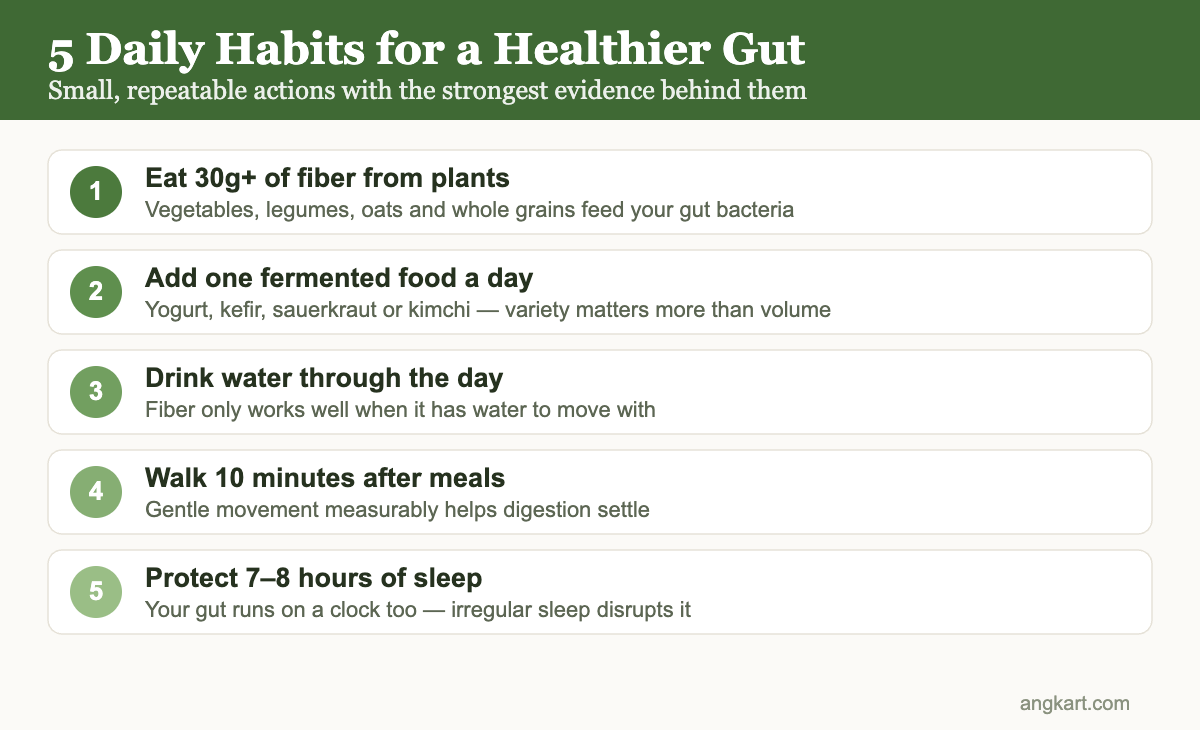
You don’t need extreme diets to heal your gut. Small daily habits make a big difference:
- Eat whole foods like vegetables, fruits, and fermented foods
- Reduce sugar and processed foods
- Drink enough water
- Manage stress and sleep well
- Support digestion with proven guidance
Consistency is the key to restoring gut health naturally.
Best Morning Routine for Gut Health
A healthy morning routine can play a major role in improving gut health naturally. Starting your day with a glass of warm water helps wake up your digestive system and keeps your body hydrated after sleep. Eating a balanced breakfast with fiber-rich foods like oats, fruits, yogurt, or seeds can support healthy digestion and nourish good gut bacteria. Light activities such as walking, stretching, or yoga may also help stimulate digestion and reduce stress, which is closely connected to gut health.
In addition, avoiding excessive sugar, staying calm in the morning, and maintaining consistent eating habits can gradually improve digestion, energy levels, and immunity over time. Small daily habits may seem simple, but when practiced consistently, they can make a noticeable difference in overall gut wellness.
| Healthy Gut vs Poor Gut Health | Healthy Gut | Poor Gut Health |
|---|---|---|
| Digestion | Smooth digestion | Frequent bloating and discomfort |
| Energy Levels | Stable energy throughout the day | Constant fatigue and sluggishness |
| Immunity | Strong immune defense | Frequent illness and infections |
| Nutrient Absorption | Better absorption of vitamins and minerals | Poor nutrient absorption |
| Mood & Focus | Better mood and mental clarity | Brain fog and mood swings |
| Cravings | Balanced appetite | Strong sugar and junk food cravings |
| Inflammation | Lower inflammation levels | Increased inflammation in the body |
Foods That Support Gut Health
| Gut-Friendly Foods | Benefits |
|---|---|
| Yogurt | Contains probiotics that support healthy bacteria |
| Kimchi | Helps improve digestion naturally |
| Bananas | Supports good gut bacteria growth |
| Oats | Rich in fiber for digestive health |
| Leafy Greens | Help reduce inflammation |
| Kefir | Supports gut microbiome balance |
| Ginger | Helps soothe digestion and bloating |
A Proven Guide to Heal Your Gut (Product Overview)
If you want a clear, step-by-step plan instead of guessing, this gut health ebook by Dr. Nicole Esi McCauley offers practical, research-backed guidance.
What this ebook helps with (5-line overview):
Teaches how to repair the gut lining and restore balance.
Explains food choices that support digestion and immunity.
Helps reduce bloating, inflammation, and discomfort.
Focuses on long-term gut health, not quick fixes.
It is designed for beginners who want clear guidance.
Who Should Read This Ebook?
This guide is ideal if you:
- Struggle with digestion issues
- Want stronger immunity naturally
- Feel tired even after eating healthy
- Want a simple, research-based plan
If you’ve tried supplements without results, improving gut health through knowledge and nutrition may be the missing piece.
My Personal Call to Action
I believe healing starts from understanding your body. That’s why I recommend this ebook. I’ve seen how learning the basics of gut balance can change digestion, energy, and immunity. If you want a clear and practical way to restore gut health, I truly believe this guide can help you start feeling better from the inside out.
What the research actually says
You do not have to take my word for any of this — gut health is one of the most actively researched areas in medicine. The trillions of microbes in your digestive tract are linked to digestion, immune function and even mood: researchers at Johns Hopkins Medicine describe the gut as a “second brain” with its own network of neurons, and Harvard Health maintains a whole library on how diet shapes digestive health. On the practical side, the fiber-first advice in this article tracks the guidance from the National Institute of Diabetes and Digestive and Kidney Diseases, and the National Institutes of Health publishes a careful, readable fact sheet on probiotics — worth reading before spending money on supplements, because the evidence varies a lot by strain and condition.
One honest caveat: gut science is young, and headlines routinely outrun the studies behind them. Be skeptical of anything promising to “reset” your microbiome in days. The boring interventions — more plant fiber, fermented foods, sleep, less ultra-processed food — are the ones with the strongest evidence behind them.
This article is for general information only and is not medical advice. If you have persistent digestive symptoms, unexplained weight loss, or blood in your stool, see a doctor rather than a blog — those symptoms need proper evaluation.
Frequently Asked Questions
How long does it take to improve gut health?
Most people begin to notice improvements in digestion and energy within 2 to 4 weeks of consistent changes to diet and lifestyle. Full gut microbiome restoration can take 3 to 6 months, depending on the severity of imbalance and the steps you take. Starting with probiotic-rich foods, reducing processed sugars, and staying hydrated are the quickest wins.
What foods are best for restoring gut health?
Fermented foods like yogurt, kefir, kimchi, sauerkraut, and kombucha are among the most powerful for replenishing beneficial bacteria. High-fiber foods such as oats, bananas, garlic, onions, and leeks feed those bacteria and help them thrive. Bone broth is also widely recommended for sealing a leaky gut lining and reducing inflammation.
Can a poor gut affect your immune system?
Yes — researchers estimate that roughly 70 to 80 percent of immune cells reside in the gut. When the gut microbiome is imbalanced (a state called dysbiosis), the immune system becomes less effective at fighting off infections and more prone to chronic inflammation. Restoring gut health through diet, probiotics, and stress reduction can meaningfully strengthen immune resilience.
Are gut health supplements worth it?
Quality probiotics, prebiotics, and digestive enzymes can support gut recovery, especially when diet alone isn’t enough. Look for probiotic supplements with multiple strains and at least 10 billion CFUs per serving. However, supplements work best alongside a gut-supportive diet — they are not a replacement for whole foods and healthy lifestyle habits.
Is stress bad for gut health?
Absolutely. The gut and brain are connected through the gut-brain axis, and chronic stress directly disrupts the balance of gut bacteria, slows digestion, and can trigger conditions like IBS. Stress management practices such as regular exercise, sleep, deep breathing, and mindfulness are as important for gut health as what you eat.
Final Thoughts
Restoring gut health is one of the most impactful investments you can make in your overall wellbeing. By combining gut-friendly foods, quality supplements, adequate sleep, and stress management, most people see measurable improvements within weeks. Start with small, consistent changes and your gut — and your entire body — will thank you.