
Food as Medicine: Eat to Restore Better Health
Food as medicine is a simple, natural way to heal your body using everyday foods. Learn how eating right can restore energy, balance, and long-term health.

Food as medicine is not a trend. It is how humans stayed healthy long before pills and hospitals existed. The food you eat every day can either help your body heal or slowly harm it. When you choose the right foods, your body gets the tools it needs to repair, protect, and restore itself.
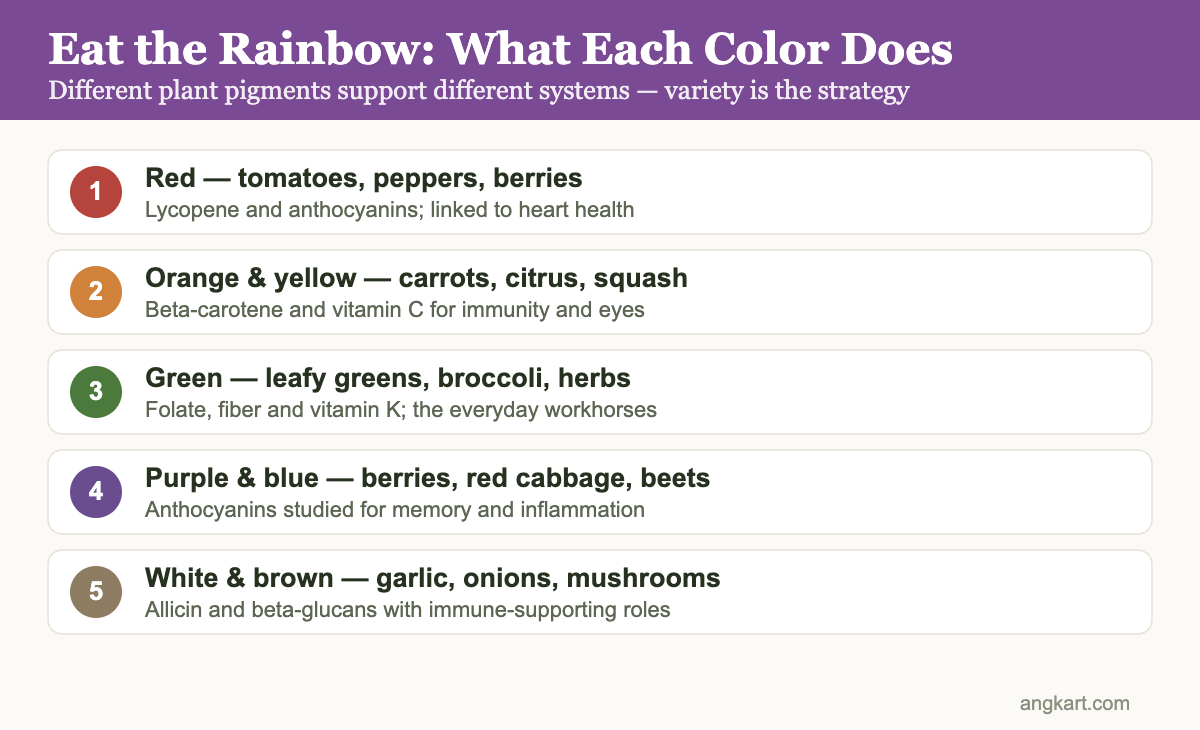
Many people continue to feel exhausted, uncomfortable, or unwell even after using supplements or medications. In many cases, the real issue is not missing treatment, but missing the right nourishment. When food is chosen with intention, it can make a powerful difference in how the body feels and functions.
What Does Food as Medicine Really Mean?
Food as medicine means using natural, whole foods to support your body’s healing process. Instead of only treating symptoms, you help fix the root cause.
Your body needs:
- Vitamins to repair cells
- Minerals to balance hormones
- Fiber to heal the gut
- Healthy fats to fight inflammation
When these are missing, problems begin. When they return, healing starts.
Why Modern Diets Are Making People Sick
Many modern foods are processed, sugary, and low in nutrients. These foods:
- Increase inflammation
- Damage gut health
- Raise blood sugar
- Drain energy
Eating this way for years can lead to weight gain, digestion issues, low immunity, and chronic illness. The good news is that your body can recover when you give it better fuel.
How Eating to Restore Supports Better Health
When you eat healing foods consistently, your body responds fast. People often notice:
- Better digestion
- More energy
- Clearer skin
- Improved mood
- Fewer cravings
Food as medicine works because your body already knows how to heal. It just needs the right ingredients.
Best Foods for Strong Immunity
A healthy immune system relies on a variety of nutrients working together. Eating a colorful and balanced diet can help your body fight infections more effectively.
| Food | Key Nutrients | Health Benefits |
|---|---|---|
| Citrus Fruits | Vitamin C | Supports immune cell function |
| Red Bell Peppers | Vitamin C, Antioxidants | Helps reduce inflammation |
| Garlic | Allicin | Supports immune defenses |
| Ginger | Antioxidants | May help fight infections |
| Yogurt | Probiotics | Supports gut and immune health |
| Spinach | Vitamins A & C | Strengthens immune response |
| Almonds | Vitamin E | Protects cells from damage |
| Green Tea | Polyphenols | Supports overall immunity |
Easy Immunity Tips
- Add lemon to water each morning.
- Include vegetables with every meal.
- Eat probiotic-rich foods regularly.
- Stay hydrated throughout the day.
Best Foods for Better Digestion
A healthy digestive system helps your body absorb nutrients efficiently and supports overall wellness.
| Food | Key Nutrients | Benefits |
|---|---|---|
| Yogurt | Probiotics | Supports healthy gut bacteria |
| Kefir | Probiotics | Improves digestive balance |
| Oats | Soluble Fiber | Promotes regular bowel movements |
| Bananas | Prebiotics | Feeds beneficial gut bacteria |
| Chia Seeds | Fiber | Supports digestive regularity |
| Apples | Pectin Fiber | Helps maintain gut health |
| Sauerkraut | Probiotics | Supports microbial diversity |
| Ginger | Natural Compounds | Helps reduce bloating |
Digestion-Friendly Habits
- Eat slowly and chew thoroughly.
- Drink enough water daily.
- Increase fiber gradually.
- Limit highly processed foods.
Related Reading: If you’re interested in improving digestive wellness, consider linking this article to your Gut Health Guide or How to Improve Gut Health Naturally post for additional insights.
Best Foods for Natural Energy
Many people rely on caffeine for energy, but nutrient-rich foods provide more sustainable fuel throughout the day.
| Food | Key Nutrients | Benefits |
|---|---|---|
| Oatmeal | Complex Carbohydrates | Provides steady energy |
| Eggs | Protein, B Vitamins | Supports metabolism |
| Sweet Potatoes | Fiber, Potassium | Sustains energy levels |
| Nuts | Healthy Fats | Prevents energy crashes |
| Greek Yogurt | Protein | Keeps you full longer |
| Quinoa | Protein, Fiber | Supports endurance |
| Bananas | Potassium, Carbs | Quick energy source |
| Salmon | Omega-3s, Protein | Supports brain and body energy |
Energy-Boosting Habits
- Eat balanced meals every 3–4 hours.
- Include protein with snacks.
- Stay hydrated.
- Get adequate sleep.
Common Healing Foods That Act Like Medicine
Here are examples of foods that support natural healing:
- Leafy greens – clean the blood and support detox
- Fruits – provide antioxidants and natural energy
- Healthy fats – reduce inflammation and protect the brain
- Whole grains – improve gut health and digestion
- Herbs and spices – support immunity and metabolism
Eating these foods daily creates balance inside the body.
About the “Eat to Restore” Ebook
The Eat to Restore ebook by Dr. Nicole Esi McCauley explains how to use food as medicine in a simple and practical way, without promoting extreme diets or complicated rules.
This ebook helps you:
- Understand how food heals the body
- Learn what to eat and what to avoid
- Improve digestion and energy naturally
- Build long-term healthy habits
The content is easy to follow and designed for real life, not perfection.
Who Should Read This Ebook?
This guide is perfect for people who:
- Want natural ways to feel better
- Are tired of quick-fix diets
- Want better gut and immune health
- Believe food should support healing
If you want simple steps instead of medical confusion, this ebook fits.
Why Food as Medicine Is a Long-Term Solution
While medicine is important during urgent situations, everyday health is built through what you eat. Restoring your body through food is not about limiting yourself. It is about supplying the nutrients your body needs to stay balanced, strong, and well.
When food becomes your medicine, healing becomes part of your daily routine.
Call to Action
I believe healing should be simple and natural. That is why I recommend the Eat to Restore ebook. If you want to feel better using real food, not complicated plans, this guide is worth reading. I invite you to check it out and start restoring your health from the inside out today.
What the evidence says
The core idea here — that everyday diet is a primary lever on long-term health — is mainstream science, not wellness folklore. The World Health Organization’s healthy diet fact sheet ties dietary patterns directly to the risk of heart disease, diabetes and other chronic conditions, and Harvard Health’s nutrition library covers the research on fiber, fermented foods and anti-inflammatory eating in plain language. For digestion specifically, the NIDDK is the source I trust most, and the NIH’s Office of Dietary Supplements is the honest reference on whether any given supplement is worth your money — usually a more sobering read than the supplement aisle suggests.
Where this article says a food “supports” or “helps,” read that as what it is: an association from nutrition research, not a cure. Food is powerful preventive medicine; it is not a replacement for the prescribed kind.
This article is for general information only and is not medical advice. Talk to your doctor before making major dietary changes, especially if you take medication or manage a chronic condition — some foods interact with common prescriptions.
Frequently Asked Questions
What does ‘food as medicine’ actually mean?
‘Food as medicine’ is the practice of using whole, nutrient-dense foods to prevent, manage, and in some cases reverse chronic health conditions. Rather than relying solely on pharmaceutical interventions, this approach recognizes that the vitamins, minerals, antioxidants, and phytonutrients in real food directly support the body’s healing processes, reduce inflammation, and strengthen immunity.
Which foods have the strongest healing properties?
Leafy greens like spinach and kale are rich in folate, iron, and antioxidants that support cell repair. Berries contain powerful anti-inflammatory compounds called anthocyanins. Turmeric and ginger have well-documented anti-inflammatory effects. Fatty fish like salmon provide omega-3s that support heart and brain health. Garlic has natural antimicrobial properties. These foods have centuries of traditional use and an increasingly strong evidence base in modern nutrition science.
Can food really prevent chronic disease?
Research strongly supports the link between diet and chronic disease risk. The Mediterranean diet, for example, is associated with a 25 to 30 percent lower risk of cardiovascular disease compared to Western diets high in processed foods. Anti-inflammatory dietary patterns also correlate with lower rates of type 2 diabetes, certain cancers, and cognitive decline. While no single food cures disease, a consistently nutrient-rich diet is one of the most powerful preventive tools available.
How do I start eating more medicinally?
Begin by crowding out — instead of removing foods you enjoy, focus on adding more whole, unprocessed options to each meal. Add a handful of leafy greens to breakfast smoothies, swap refined grains for whole grains, include legumes in three meals per week, and use herbs and spices generously. Small, sustainable changes compound over time into significant health benefits.
Are organic foods necessary for medicinal eating?
Organic produce reduces exposure to synthetic pesticides, which can interfere with gut health and hormonal balance. However, organic eating is not essential for benefit — even conventionally grown fruits and vegetables are vastly superior to processed foods. If budget is a concern, prioritize organic for the ‘Dirty Dozen’ (highest pesticide loads) and buy conventional for the ‘Clean Fifteen.’
Final Thoughts
The idea that food can heal is not new — traditional medicine systems worldwide have used dietary practices as primary health interventions for thousands of years. Modern nutritional science is now confirming and expanding this wisdom. By making intentional choices about what you eat each day, you can reduce inflammation, support your gut, sharpen your mind, and lower your disease risk in meaningful ways.