
Balance and Yoga Equipment for Home Workouts
Looking to build strength, stability, and flexibility at home? This guide explains the must-have balance and yoga equipment, how to use it, and how to choose the right gear for your fitness level.
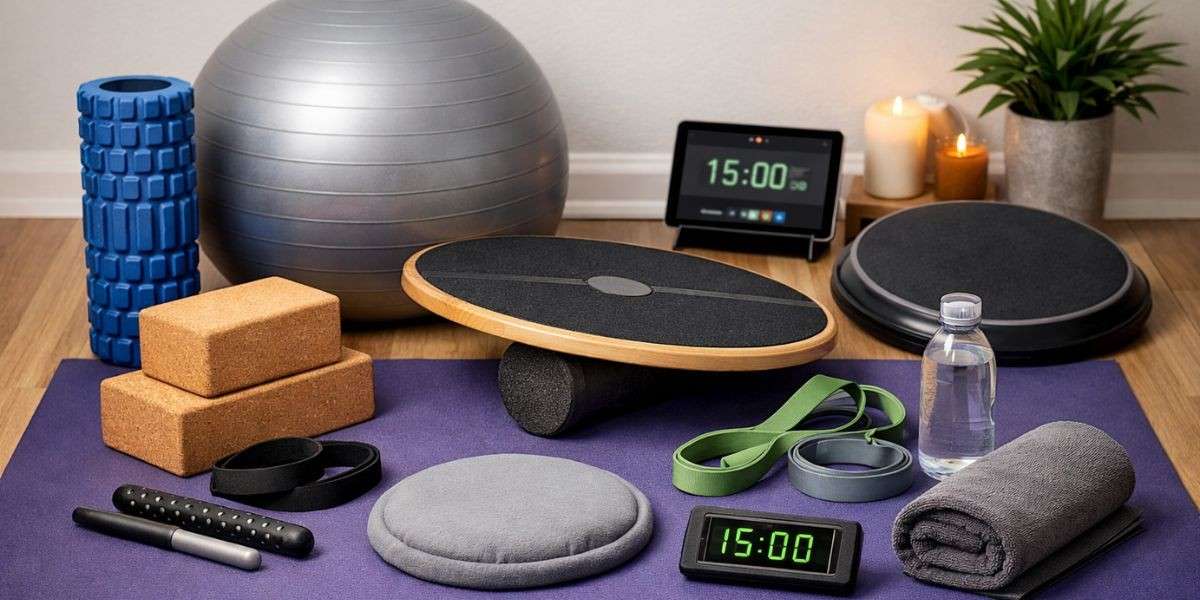
Balance and Yoga Equipment can completely change the way you exercise at home. With the right tools, you can improve strength, flexibility, posture, and balance without needing a gym membership. Whether you are a beginner or someone who practices yoga daily, the right equipment makes your workouts safer, more comfortable, and more effective.
In this detailed guide, you will learn what equipment you really need, how to use each item, and how to choose the best options for your home workouts.
Why You Need Balance and Yoga Equipment at Home
Many people think yoga only needs a mat. But balance and stability training require more support tools. These tools help you:
- Improve core strength
- Increase flexibility
- Reduce risk of injury
- Support joints and knees
- Improve posture
- Build better body control
When you practice at home, proper equipment also keeps you motivated and consistent.
Must-Have Balance and Yoga Equipment
Here is a complete list of essential tools and how they help.
1. Yoga Mat – Your Foundation
A yoga mat is the most important item in your setup.
Why it matters:
- Prevents slipping
- Protects knees and elbows
- Creates a clean workout space
- Provides grip and comfort
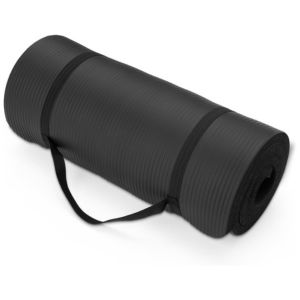
What to look for:
- Non-slip surface
- 5–8mm thickness for joint support
- Easy to clean material
Without a good mat, even simple poses can feel uncomfortable.
2. Yoga Block – Support and Stability
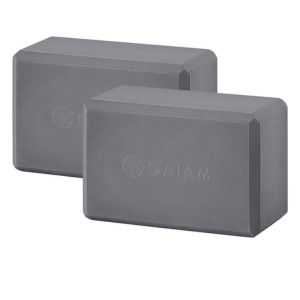
A yoga block helps you reach poses safely, especially if you are not flexible yet.
Benefits:
- Makes difficult poses easier
- Improves balance
- Reduces strain on hamstrings and lower back
- Helps beginners maintain proper alignment
Blocks are perfect for seated stretches and standing balance poses.
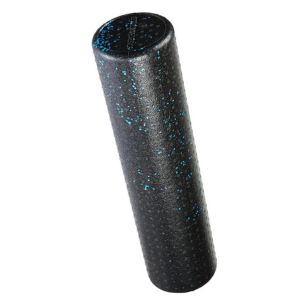
3. Foam Rollers – Muscle Recovery Tool
Foam Rollers are excellent for recovery and muscle release.
Why you need one:
- Reduces muscle tightness
- Improves blood flow
- Helps with post-workout soreness
- Increases flexibility
You can use foam rolling before or after yoga sessions to prepare muscles.
4. Balanced Board – Core and Stability Training
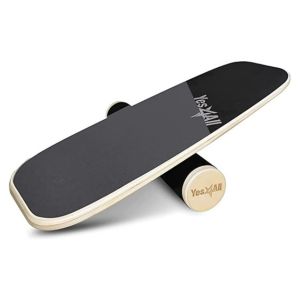
A balanced board challenges your coordination and core strength.
What it improves:
- Ankle stability
- Core activation
- Body awareness
- Reaction control
It is great for athletes and anyone wanting to improve balance for daily life.
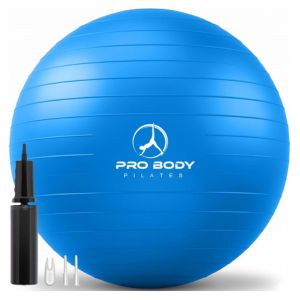
5. Yoga Ball – Strength and Control
A yoga ball (also called a stability ball) adds dynamic movement to workouts.
Uses:
- Core strengthening
- Back support exercises
- Balance training
- Stretching routines
It is especially helpful for lower back support and posture correction.
6. Loops Stretch Band – Resistance Training
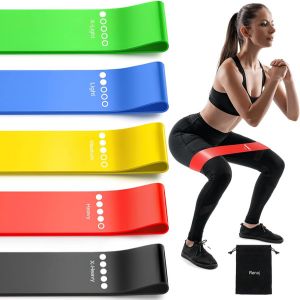
Loops Stretch bands are small resistance bands that add strength training to yoga.
Benefits:
- Builds muscle strength
- Improves flexibility
- Activates glutes and legs
- Adds intensity without heavy weights
They are ideal for usage at home because they are portable and lightweight.
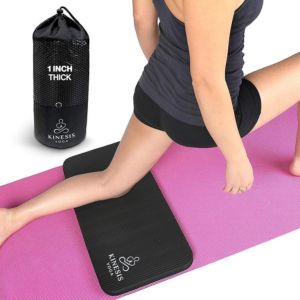
7. Yoga Knee and Elbow Pad – Joint Protection
A yoga knee and elbow pad gives extra cushioning.
Why it is useful:
- Protects sensitive joints
- Reduces pressure during floor poses
- Great for beginners
- Helpful for people with knee pain
The comfort level is much improved by this little item.
8. Yoga Towel – Sweat Control
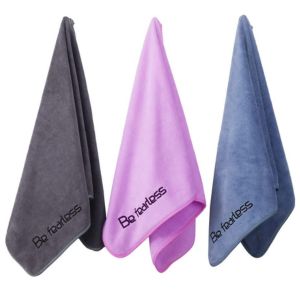
A yoga towel is important if you sweat a lot.
Advantages:
- Absorbs sweat
- Prevents slipping
- Keeps mat clean
- Ideal for hot yoga
Place it on top of your mat for better grip during intense sessions.
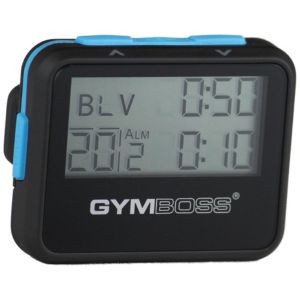
9. Timer – Stay Focused and Structured
A timer helps you stay consistent.
Why use one:
- Tracks pose duration
- Supports interval training
- Improves discipline
- Keeps workouts efficient
You can use a simple phone timer or a digital workout timer.
How to Pick the Best Tools for Your Level
If You Are a Beginner:
Start with:
- Yoga mat
- Yoga block
- Stretch band
- Knee pad
If You Want Balance Training:
Add:
- Balanced Board
- Yoga ball
If You Focus on Recovery:
Include:
- Foam Rollers
- Yoga towel
Start small and build your collection as your practice grows.
Benefits of Using Balance and Yoga Equipment Together
When combined, these tools help you:
- Improve full-body strength
- Enhance flexibility
- Build core stability
- Support joint health
- Train safely at home
Using different tools also keeps workouts interesting and prevents boredom.
Safety Tips for Home Yoga and Balance Training
- Always warm up before intense poses
- Use knee pads if you feel joint pressure
- Keep movements slow and controlled
- Choose non-slip surfaces
- Clean equipment regularly
Safety is more important than intensity.
Home Yoga Routine Using Yoga Accessories
A well-designed yoga routine becomes more comfortable, effective, and accessible when paired with the right equipment. Whether you’re a beginner looking to improve flexibility or an experienced yogi aiming to deepen your practice, accessories such as a yoga mat, yoga block, balance board, yoga ball, stretch band, and knee pads can enhance your sessions while reducing strain on your joints.
30-Minute Full-Body Yoga Routine
1. Gentle Warm-Up (5 Minutes)
Cat-Cow Stretch
Equipment: Yoga Mat + Yoga Knee and Elbow Pad
- Begin on hands and knees.
- Alternate between arching and rounding your spine.
- Move slowly with your breath.
Duration: 1 minute
Benefit: Improves spinal mobility and prepares the body for movement.
Child’s Pose
Equipment: Yoga Mat + Knee Pad
- Sit back onto your heels.
- Extend your arms forward and relax your forehead on the mat.
Duration: 1 minute
Benefit: Gently stretches the lower back and shoulders.
Seated Hamstring Stretch
Equipment: Loops Stretch Band
- Sit with legs extended.
- Place the stretch band around your feet.
- Gently pull while keeping your back straight.
Duration: 1 minute per leg
Benefit: Increases hamstring flexibility safely.
2. Standing Balance Flow (8 Minutes)
Mountain Pose
Equipment: Yoga Mat
- Stand tall with feet together.
- Focus on deep breathing.
Duration: 1 minute
Tree Pose
Equipment: Yoga Block (Optional Support)
- Place one foot on the opposite inner thigh or calf.
- Use a yoga block beside you for balance if needed.
Duration: 30 seconds per side
Benefit: Improves stability and concentration.
Balance Board Standing Hold
Equipment: Balance Board
- Stand on the board with knees slightly bent.
- Engage your core to maintain balance.
Duration: 2 sets of 30 seconds
Benefit: Strengthens stabilizing muscles and improves coordination.
Warrior II Pose
Equipment: Yoga Mat
- Step one foot back and bend the front knee.
- Extend arms parallel to the floor.
Duration: 45 seconds per side
Benefit: Builds lower-body strength and endurance.
3. Flexibility & Mobility Session (10 Minutes)
Triangle Pose
Equipment: Yoga Block
- Place the block beside your front foot.
- Rest your lower hand on the block if flexibility is limited.
Duration: 45 seconds per side
Benefit: Stretches the hamstrings, hips, and side body.
Pigeon Pose
Equipment: Yoga Mat + Knee Pad
- Bring one leg forward while extending the other behind.
- Place a knee pad under sensitive joints.
Duration: 1 minute per side
Benefit: Opens the hips and relieves lower-body tightness.
Seated Forward Fold
Equipment: Loops Stretch Band
- Wrap the band around your feet.
- Use it to gently deepen the stretch.
Duration: 2 minutes
Benefit: Improves flexibility in the back and legs.
4. Core Strength & Stability (5 Minutes)
Yoga Ball Plank
Equipment: Yoga Ball
- Place your forearms on the ball.
- Keep your body aligned from head to heels.
Duration: 30 seconds × 3 rounds
Benefit: Activates deep core muscles.
Yoga Ball Knee Tucks
Equipment: Yoga Ball
- Start in a plank position with feet on the ball.
- Pull your knees toward your chest.
Repetitions: 10–12
Benefit: Builds core strength and balance.
5. Relaxation & Cool Down (2 Minutes)
Reclining Butterfly Pose
Equipment: Yoga Mat + Yoga Block
- Lie on your back.
- Place blocks under your knees for support if needed.
Duration: 1 minute
Corpse Pose (Savasana)
Equipment: Yoga Mat
- Lie comfortably with arms relaxed.
- Focus on slow breathing.
Duration: 1 minute
Benefit: Encourages relaxation and recovery.
Beginner vs. Advanced Yoga Routine
| Activity | Beginner | Advanced |
|---|---|---|
| Session Length | 20–30 Minutes | 45–60 Minutes |
| Tree Pose Hold | 20 Seconds | 60 Seconds |
| Balance Board Hold | 30 Seconds | 2 Minutes |
| Warrior II | 30 Seconds | 90 Seconds |
| Plank on Yoga Ball | 20 Seconds | 60 Seconds |
| Stretch Band Work | Light Stretching | Deep Mobility Training |
| Yoga Block Usage | Frequent Support | Occasional Support |
| Practice Frequency | 3 Times Weekly | 5–6 Times Weekly |
Tips for Better Results
- Use a high-quality yoga mat to prevent slipping.
- Place yoga knee and elbow pads under pressure points during floor poses.
- Yoga blocks are excellent for beginners who are still developing flexibility.
- A balance board can significantly improve stability and ankle strength.
- Stretch bands help deepen stretches without forcing your range of motion.
- Yoga balls add an extra challenge for core engagement and balance training.
This routine combines flexibility, balance, strength, and relaxation, making it suitable for anyone looking to create a complete at-home yoga practice using simple yoga accessories.
Final Thoughts
Investing in the right balance and yoga equipment makes your home workouts safer, more effective, and more enjoyable. You do not need a gym to build strength and stability. With simple tools like a yoga mat, foam rollers, stretch bands, and a balanced board, you can create a complete workout system at home.
Start simple, stay consistent, and grow your practice step by step.
Ready to Build Your Home Yoga Setup?
I truly believe the right balance and yoga equipment can transform your fitness journey. When I started using proper tools, my workouts became more comfortable, focused, and effective.
If you’re ready to improve your balance, strength, and flexibility at home, start with the essentials today. Build your setup, stay consistent, and make your home your personal wellness space.
Frequently Asked Questions
1. What equipment do I need for yoga and balance workouts at home?
You do not need a full gym to start yoga or balance training at home. A few simple essentials can make your workouts more comfortable and effective. Most beginners start with a yoga mat, yoga blocks, resistance bands, and a balance ball or balance board. These tools help improve flexibility, stability, posture, and strength while making exercises safer and easier to perform.
2. Are balance boards good for beginners?
Yes, balance boards are great for beginners when used carefully. They help strengthen your core muscles, improve coordination, and increase overall body stability. Many people use balance boards for home workouts because they add an extra challenge without requiring heavy equipment. Beginners should start slowly and use support nearby until they feel comfortable balancing.
3. What is the best yoga equipment for beginners at home?
For beginners, the best yoga equipment is simple and affordable. A non-slip yoga mat is the most important item because it provides comfort and stability during poses. Yoga blocks and straps are also helpful for improving flexibility and maintaining proper posture. If you want to add balance training, a stability ball or balance cushion can make your workouts more engaging.
4. Can yoga equipment help with weight loss and fitness?
Yes, yoga and balance equipment can support weight loss and overall fitness when used consistently. Yoga improves flexibility, posture, and muscle tone, while balance training activates core muscles and improves stability. Combining yoga workouts with resistance bands or balance exercises can increase calorie burn and strengthen the body over time. Along with healthy eating, regular practice can support long-term fitness goals.
5. How often should I use yoga and balance equipment at home?
For beginners, practicing yoga or balance exercises 3–5 times per week is a good starting point. Even short sessions of 20–30 minutes can improve flexibility, balance, and strength over time. Consistency matters more than long workouts. As your body becomes stronger and more flexible, you can gradually increase the duration and intensity of your sessions.
Sources & further reading
Useful independent references on this topic:


