
Aerobic vs Cardio Exercise for Weight Loss Guide
Confused about aerobic vs cardio exercise for weight loss? This guide explains the real difference, benefits, and how to choose the best workout for fat loss and better health.

Aerobic vs cardio exercise is a common topic for people who want to lose weight, burn fat, and improve fitness. Many people think aerobic and cardio exercise are different. Others believe they are exactly the same. This confusion makes it hard to choose the right workout for weight loss.
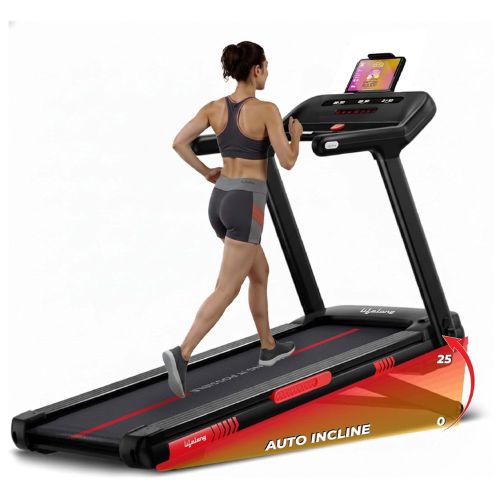
In this guide, I will clearly explain the difference between aerobic vs cardio exercise for weight loss, how each one helps burn fat, and which one works best for your goals. By the end, you will know exactly what to do, how often to do it, and how to get better results.
| Feature | Aerobic Exercise | High-Intensity Cardio |
|---|---|---|
| Intensity | Moderate | High |
| Best For | Beginners | Advanced users |
| Duration | Longer | Shorter |
| Fat Burn | Steady | Faster calorie burn |
| Recovery | Easier | Harder |
| Examples | Walking, cycling | Sprints, HIIT |
What Is Cardio Exercise?
Cardio exercise, short for cardiovascular exercise, is any activity that increases your heart rate and breathing. It strengthens your heart and lungs while helping you burn calories.
Common cardio workouts include:
- Brisk walking
- Running
- Cycling
- Jump rope
- Swimming
- Dancing
When you do cardio, your heart pumps faster to send oxygen to your muscles. This helps your body burn calories, which is important for weight loss.
What Is Aerobic Exercise?
Aerobic exercise is a type of cardio exercise. The word “aerobic” means “with oxygen.” During aerobic workouts, your body uses oxygen to create energy for movement.
Most steady, moderate-intensity workouts are aerobic exercises, such as:
- Jogging
- Swimming laps
- Fast walking
- Aerobic dance classes
- Light cycling
So here is the key point: aerobic exercise is a form of cardio exercise. Not all cardio is purely aerobic, but most steady workouts for weight loss fall into the aerobic category.
Aerobic vs Cardio Exercise: Is There a Real Difference?
When people search for aerobic vs cardio exercise for weight loss, they usually want to know:
- Which burns more fat?
- Which is better for beginners?
- Which gives faster results?
- Is one better than the other?
The truth is simple. Aerobic exercise is steady and moderate. Some types of cardio can be more intense and may include anaerobic movements (short bursts without oxygen), like sprinting.
Steady Aerobic Cardio
- Moderate pace
- Longer duration
- Easy to maintain
- Great for beginners
High-Intensity Cardio
- Short bursts
- Higher heart rate
- Burns more calories in less time
- Harder to sustain
Both can help with weight loss. The best one depends on your fitness level and schedule.
How Aerobic and Cardio Exercise Help with Weight Loss
Losing weight requires burning more calories than you consume. It’s known as a calorie deficit.
Cardio workouts help by:
- Burning calories during exercise
- Increasing metabolism
- Improving heart health
- Reducing stress, which helps control emotional eating
Aerobic exercise, especially steady-state cardio, is excellent for consistent calorie burn. You can do it longer, which increases total calories burned.
High-intensity cardio, like interval training, burns more calories in a shorter time and may increase afterburn (your body keeps burning calories after the workout).
Which Is Better for Fat Loss?
There is no single “best” option in the aerobic vs cardio exercise debate. The best workout for weight loss is one you can stay consistent with.
If you are a beginner:
Start with moderate aerobic exercise like brisk walking or light cycling for 30 minutes, 4–5 days per week.
If you are intermediate or advanced:
Add high-intensity cardio sessions 2–3 times per week along with steady aerobic workouts.
For best results, combine:
- Aerobic cardio
- Strength training
- Healthy eating
Strength training aids in muscular growth, which raises metabolism. This implies that even when you’re at rest, you burn more calories.
How Frequently Should You Perform Cardio to Lose Weight?
For healthy weight loss, most fitness experts recommend:
- 150–300 minutes of moderate aerobic exercise per week OR
- 75–150 minutes of vigorous cardio per week
You can divide this into 30–45 minutes per day.
Consistency matters more than intensity. Doing moderate cardio regularly is better than doing very intense workouts once in a while.
Common Mistakes in Aerobic vs Cardio Exercise
Many people make these mistakes:
Only doing cardio
Too much cardio without rest
Not combining with strength training
Eating more because they exercised
Stopping too soon
Weight loss takes time. Cardio helps, but nutrition plays a major role. Without healthy eating, exercise alone may not give fast results.
What Should You Choose?
Choose aerobic exercise if:
- You are new to fitness
- You prefer steady workouts
- You want low injury risk
- You can exercise longer
Choose higher-intensity cardio if:
- You have limited time
- You want faster calorie burn
- You already have basic fitness
The best strategy is to combine the two. This avoids boredom and challenges your body.
Sample Weekly Plan for Weight Loss
Monday – 30 min brisk walking (aerobic)
Tuesday – Strength training
Wednesday – 20 min interval cardio
Thursday – Rest or light walk
Friday – 40 min cycling
Saturday – Strength training
Sunday – Light activity or yoga
This balance supports fat loss, muscle growth, and recovery.
Benefits Beyond Weight Loss
Aerobic and cardio exercise do more than burn fat. They also:
Improve heart health
Lower blood pressure
Reduce stress
Boost mood
Improve sleep
Increase energy
These long-term benefits are just as important as weight loss.
Final Thoughts on Aerobic vs Cardio Exercise
The discussion about aerobic vs cardio exercise for weight loss often creates confusion, but the truth is simple. Aerobic exercise is a form of cardio. Both help you burn calories and improve health.
The most important factor is consistency. Choose workouts you enjoy. Combine steady aerobic exercise with strength training. Support your effort with healthy eating. That is the real formula for long-term fat loss.
🚀 Start Your Weight Loss Journey Today
I believe that small steps create big results. If you are confused about where to begin, start with 30 minutes of brisk walking today. That is it. No complicated plans. No extreme diets.
I suggest that you choose one exercise from this program and stick with it for the next seven days. Take note of your feelings. Observe your energy. Establish the habit first, and the outcomes will come later.
Your body can change. Your health can improve. And it starts with one decision.
Let’s begin today.
Frequently Asked Questions
1. Is aerobic exercise better than cardio for weight loss?
Aerobic exercise is actually a type of cardio exercise, so neither is completely separate. Aerobic workouts usually involve steady, moderate-intensity activities like walking, jogging, or cycling. These are excellent for beginners because they are easier to maintain for longer periods. On the other hand, high-intensity cardio workouts like HIIT or sprinting can burn more calories in less time. The best option for weight loss depends on your fitness level, schedule, and consistency.
2. Which burns more fat: aerobic exercise or high-intensity cardio?
High-intensity cardio often burns more calories in a shorter time and can increase the “afterburn effect,” meaning your body continues burning calories even after the workout ends. However, aerobic exercise can also be very effective because it is easier to do consistently and for longer durations. For most people, combining steady aerobic workouts with occasional high-intensity cardio gives the best fat-loss results.
3. How long should I do cardio to lose weight?
Most fitness experts recommend at least 150–300 minutes of moderate aerobic exercise per week for healthy weight loss. That usually means around 30–45 minutes per day, five days a week. If you prefer intense cardio workouts, even 20–30 minutes can be effective. The key is staying consistent rather than trying extreme workouts for a short time.
4. Is walking considered aerobic exercise?
Yes, brisk walking is one of the best forms of aerobic exercise, especially for beginners. It raises your heart rate, improves cardiovascular health, and helps burn calories without putting too much stress on your joints. Walking regularly can support steady and sustainable weight loss when combined with healthy eating habits.
5. Can I lose belly fat with aerobic or cardio exercise?
Yes, both aerobic and cardio exercises can help reduce overall body fat, including belly fat. However, spot reduction is not possible, meaning you cannot target belly fat alone. The most effective approach is combining cardio workouts, strength training, and a calorie-controlled diet. Over time, consistent exercise and healthy eating will help reduce stubborn abdominal fat naturally.
Sources & further reading
Useful independent references on this topic:
General information, not medical advice. Check with your GP before starting a new exercise programme, especially with a heart condition, joint problems or a recent injury.