Vertical Gardening vs Horizontal Gardening: Complete Guide
Vertical Gardening vs Horizontal Gardening: Learn the key differences, benefits, setup steps, costs, and which method is best for your space and goals.
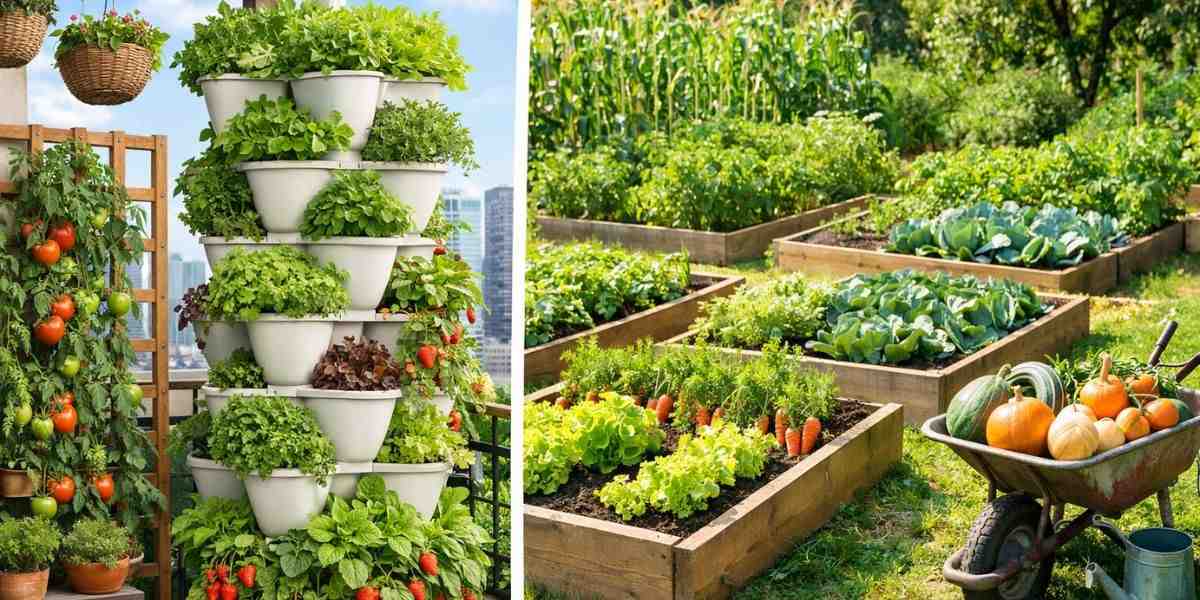
If you’ve ever stared at your outdoor space — or even a sunny balcony — wondering how to turn it into a thriving garden, you’ve probably stumbled across the vertical versus horizontal gardening debate. It’s one of the most common questions among new gardeners, and honestly, it’s a really good one. Both methods have their strengths, and choosing the right one can make the difference between a garden that flourishes and one that frustrates you from day one.
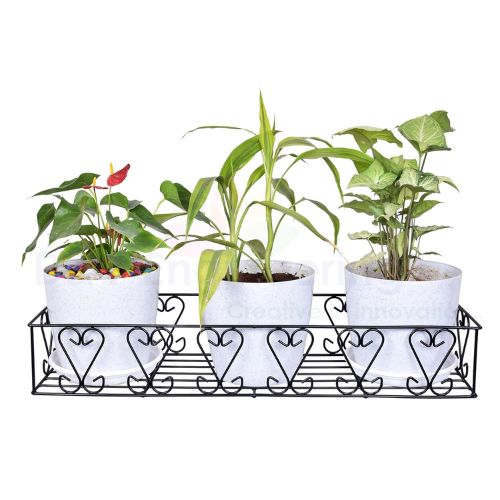
In this guide, we’ll walk through everything you need to know — what each method actually involves, which plants work best, how to get started, what it costs, and how to decide which approach fits your space and lifestyle. If you’re working with a compact apartment balcony or a sprawling backyard, there’s a gardening method that’s right for you.
What Is Vertical Gardening?
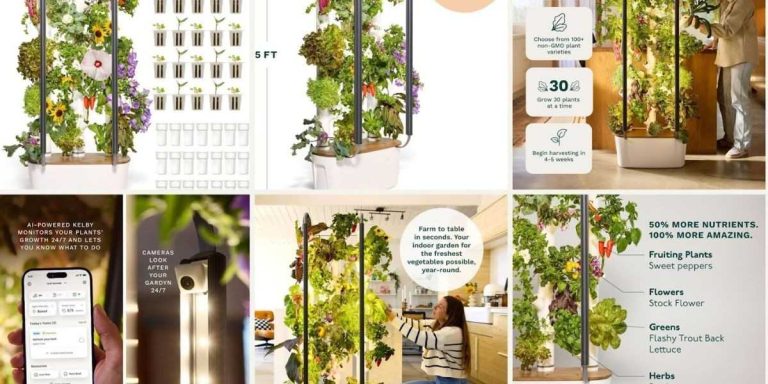
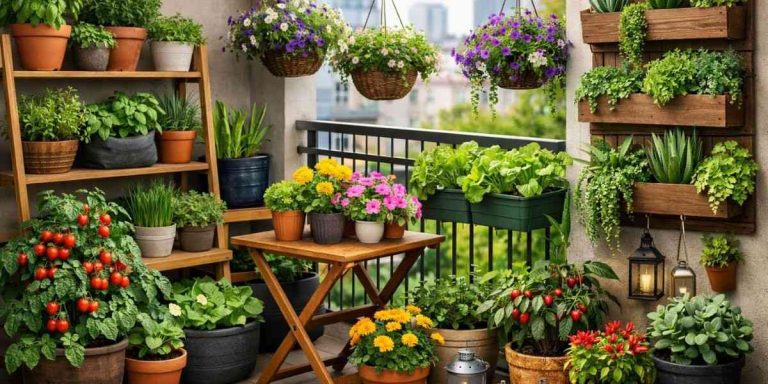
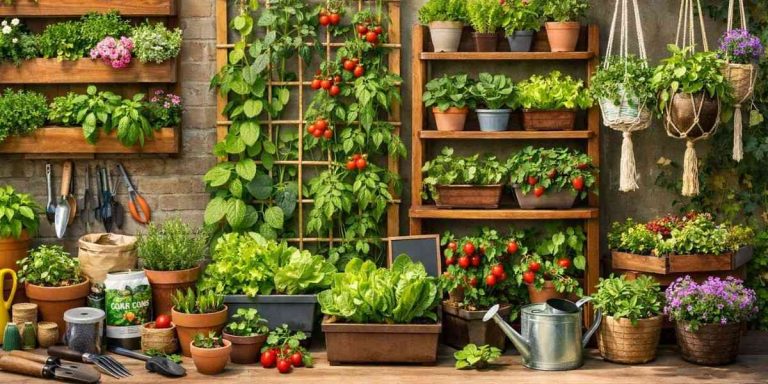
Vertical gardening is exactly what it sounds like — growing plants upward rather than outward. Instead of spreading across the ground, your plants climb walls, hang from shelves, grow up trellises, or stack in tower planters. It’s a creative and space-efficient approach that has become especially popular in urban homes, apartments, and small gardens where ground space is limited or non-existent.
The beauty of vertical gardening is how much it transforms a small area. A bare wall or fence can become a lush, productive growing space with the right setup. Beyond aesthetics, vertical gardens also improve airflow around plants, which reduces the risk of fungal diseases and makes it easier to spot pests before they become a problem.
Common Vertical Gardening Structures
- Wall-mounted planters and pocket gardens
- Trellises and garden netting for climbing plants
- Vertical tower planters and stackable pots
- Hanging baskets and suspended containers
- Pallet gardens and repurposed shelving units
What Is Horizontal Gardening?
Horizontal gardening is the traditional approach most of us picture when we think of a garden — plants growing outward across the ground in beds, rows, or containers laid flat. It’s the method that has fed families and communities for thousands of years, and there are very good reasons it has stood the test of time.
With horizontal gardening, roots have more room to spread naturally, which means many crops — especially root vegetables — grow better and produce more. It also tends to be less expensive to set up, since you don’t need specialised structures or supports. If you have the outdoor space, horizontal gardening is often the most straightforward path to a productive vegetable patch or flower border.
Common Horizontal Gardening Setups
- Traditional in-ground garden beds
- Raised wooden or concrete beds
- Container gardens arranged on patios or decking
- Row cropping for vegetables and herbs
- Lasagne or no-dig garden beds
Vertical Gardening vs Horizontal Gardening: Key Differences
At their core, these two methods differ in how they use space, how much they cost, and which types of plants they suit best. Vertical gardening trades ground area for height, a good trade in compact spaces but requiring more upfront investment in structures. Horizontal gardening uses ground space more generously, costs less to set up, and supports a wider variety of crops — but it does require that you actually have the ground to use.
| Feature | Vertical Gardening | Horizontal Gardening |
|---|---|---|
| Space required | Minimal ground space | Larger ground area needed |
| Setup cost | Higher (structures needed) | Lower (basic beds or soil) |
| Best for | Balconies, small patios, urban homes | Backyards, rural/suburban gardens |
| Plant variety | Climbing & compact plants | Almost all plant types |
| Maintenance | More frequent watering needed | More traditional upkeep |
| Airflow | Excellent — reduces disease risk | Moderate — depends on spacing |
| Root space | Limited — shallower containers | Generous — natural soil depth |
| Visual impact | High — striking aesthetic | Classic and natural look |
Advantages of Vertical Gardening
The single biggest advantage of vertical gardening is space efficiency. You can grow a surprising amount of food and greenery in a very small footprint, which is why it’s so popular in city apartments and urban homes. A single wall panel or tower planter can hold dozens of plants that would otherwise require several square metres of ground space.
Beyond space, vertical gardens are also easier on your back. Because plants are positioned at a more comfortable height, you spend less time crouching or kneeling — something seasoned gardeners will appreciate more with every passing year. The improved airflow between plants is another genuine benefit, since better circulation means fewer problems with humidity, mildew, and fungal infections.
Advantages of Horizontal Gardening
Horizontal gardening wins on versatility and value. Because you’re working with natural ground or simple raised beds, you can grow almost anything — from tiny herbs to sprawling pumpkin vines to deep-rooted carrots and parsnips. There are very few restrictions on plant type, which makes it easier to grow a wide variety of produce in a single garden.
Cost is another major advantage. You don’t need to invest in specialist structures, and the soil in an established in-ground bed improves naturally over time with composting and mulching. For families looking to grow significant quantities of food — rather than a decorative balcony garden — horizontal gardening typically delivers better yield per pound spent on setup.
Which Plants Grow Best in Vertical Gardening?
Not every plant thrives in a vertical setup — the key is choosing varieties that either climb naturally or stay compact enough for shallow containers. Climbing plants are your best friends here, since they’ll work with the structure rather than against it. Lightweight fruiting plants also do very well, as long as their supports are strong enough to handle the extra weight as crops develop.
- Tomatoes (especially cherry and indeterminate varieties)
- Cucumbers and courgettes
- Runner beans and French beans
- Peas and sugar snaps
- Strawberries
- Lettuce, spinach, and other leafy greens
- Herbs such as basil, mint, and chives
Avoid heavy crops like pumpkins, melons, or large squash unless your structure is exceptionally robust. Root vegetables such as carrots and potatoes also struggle in vertical setups, since they need significant soil depth to develop properly.
Which Plants Grow Best in Horizontal Gardening?
Horizontal gardens are far more flexible when it comes to plant choice. Because plants have access to natural soil depth and plenty of room to spread, you can grow practically anything. This method particularly shines for root vegetables and sprawling crops that simply can’t be accommodated in vertical containers.
- Potatoes, carrots, parsnips, and beets
- Pumpkins, squash, and melons
- Corn and sunflowers
- Cabbages, kale, and Brussels sprouts
- Courgettes and marrows
- Broad beans and large legumes
Step-by-Step: How to Start Vertical Gardening
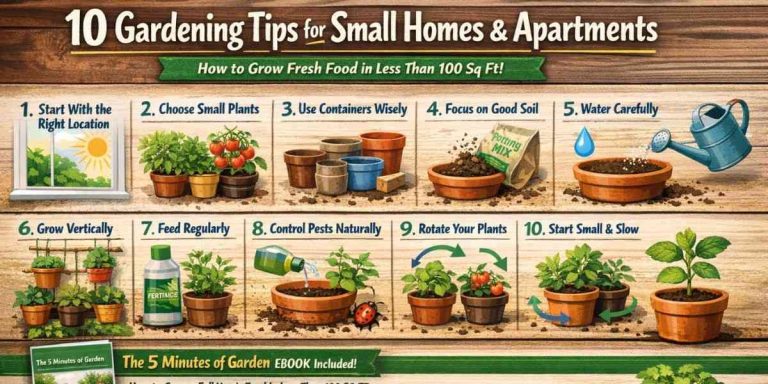
Getting started with vertical gardening is more straightforward than it looks. The most important first step is choosing the right structure for your space — whether that’s a wall-mounted planter system, a freestanding trellis, or a tower garden unit. Make sure whatever you choose is properly anchored and rated to handle the weight of mature plants, wet soil, and containers.
Once your structure is in place, select containers with good drainage holes and fill them with a quality potting mix. Standard garden soil is too heavy and compacts quickly in containers, so it’s worth investing in a lightweight mix that retains moisture without waterlogging. Start with just two or three plants while you get a feel for the watering rhythm — vertical gardens dry out faster than ground beds, so you’ll need to check moisture levels more frequently, especially in warm weather.
Step-by-Step: How to Start Horizontal Gardening
Starting a horizontal garden begins with choosing your location — ideally somewhere that receives at least six hours of direct sunlight per day. Once you’ve settled on your spot, clear the area of weeds and grass, then improve the soil with compost or well-rotted manure before you plant anything. Good soil preparation at this stage pays dividends throughout the growing season.
If you’re working with poor or compacted ground, raised beds are an excellent solution. They give you full control over soil quality from the outset and warm up faster in spring, which extends your growing season. Plant in rows or blocks depending on your crop, and make sure to leave enough space between plants — overcrowding is one of the most common beginner mistakes and leads to poor airflow and reduced yields.
Vertical Gardening vs Horizontal Gardening: Which One Is Right for You?
Choosing between vertical and horizontal gardening really comes down to your available space, your budget, and what you want to grow. If you’re working with a small balcony, a compact patio, or you simply don’t have a garden at all, vertical gardening opens up possibilities that traditional methods can’t match. It lets you grow food and greenery in genuinely tight spaces, and the visual impact is hard to beat.
On the other hand, if you have ground space available and want to grow a wide variety of crops — particularly root vegetables, heavy fruiting plants, or large quantities of produce — horizontal gardening is the more practical and cost-effective choice. Many gardeners end up combining both approaches, using vertical structures for climbing crops along fences or walls while dedicating ground beds to bulkier vegetables. There’s no rule that says you have to pick just one.
Common Mistakes to Avoid
One of the most frequent mistakes in vertical gardening is underestimating how quickly containers dry out. Because vertical planters are exposed to more air circulation and often more direct sunlight, they need watering more often than ground beds — sometimes daily in summer. Installing a simple drip irrigation system early on can save a lot of time and prevent plants from suffering in hot spells.
In horizontal gardens, the most common pitfall is planting too close together. It’s tempting to fill every inch of your bed when seedlings are small, but mature plants need room to breathe and spread. Overcrowding leads to competition for nutrients, poor airflow, and a much higher risk of pest and disease problems. Follow the spacing guidelines on your seed packets — they exist for a reason.
Vertical Gardening vs Horizontal Gardening Comparison Table
| Factor | Vertical | Horizontal |
|---|---|---|
| Ideal for | Small spaces, urban gardens | Large yards, rural settings |
| Setup cost | £50–£300+ depending on system | £20–£150 for basic raised beds |
| Best crops | Climbers, herbs, leafy greens | Root veg, large fruiting crops |
| Watering frequency | Daily in warm weather | Every 2–3 days typically |
| Soil improvement | Replace potting mix annually | Add compost each season |
| Beginner-friendly | Moderate | Yes, very accessible |
Final Comparison Summary
Vertical gardening is a brilliant solution for anyone working with limited ground space. It’s creative, visually appealing, and genuinely productive when set up correctly — but it does require more attention to watering, more upfront investment, and careful plant selection. If your growing space is measured in square feet rather than square metres, going vertical is absolutely the way forward.
Horizontal gardening, meanwhile, remains the gold standard for productive food growing when space allows. It’s more forgiving for beginners, supports a wider range of crops, and costs less to establish. If you’re lucky enough to have ground space available, don’t overlook this tried-and-tested approach. And if you have both options available to you, consider combining them — a vertical trellis for beans and cucumbers alongside a ground bed for potatoes and squash gives you the best of both worlds.
FAQs
What is the main difference between vertical and horizontal gardening?
The core difference is how each method uses space. Vertical gardening grows plants upward using walls, trellises, towers, and hanging containers — suited to compact areas. Horizontal gardening spreads plants across the ground in beds or rows, which suits larger spaces and supports a much wider range of crop types, particularly root vegetables and heavy fruiting plants.
Is vertical gardening better for small spaces?
Yes, without question. Vertical gardening was practically invented for small spaces. If you’re gardening on a balcony, a narrow patio, or even indoors near a sunny window, going vertical lets you grow a meaningful quantity of plants without needing any ground area at all. It’s one of the most effective ways to maximise a limited growing space.
Can I combine vertical and horizontal gardening in the same garden?
Absolutely — and many experienced gardeners do exactly this. A typical setup might use vertical trellises or wall planters along a fence for climbing crops like beans, cucumbers, and peas, while horizontal beds are reserved for root vegetables, brassicas, and sprawling plants like courgettes. Combining both approaches gives you the greatest flexibility and the widest variety of crops from your available space.
Which method is cheaper to set up?
Horizontal gardening is generally more affordable to get started with. A basic raised bed or a prepared ground plot costs relatively little, and the soil improves naturally over time with composting. Vertical gardening requires upfront investment in structures — trellises, wall panels, tower planters — which can add up quickly. That said, vertical systems often pay for themselves over several seasons, especially if you’re growing in an otherwise unusable space.
Is vertical gardening suitable for vegetables?
Yes, many vegetables thrive in vertical gardens. Climbing and lightweight crops — including tomatoes, cucumbers, beans, peas, and most leafy greens — are particularly well suited to vertical growing. However, heavy or deep-rooted vegetables like pumpkins, potatoes, and parsnips need more space and soil depth than vertical containers typically offer, so they’re better suited to horizontal beds.
Sources & further reading
The recommendations here draw on the following independent sources: