Organic Gardening at Home: Beginner Guide
Learn organic gardening at home with simple steps, natural gardening methods, and the best organic fertilizers for plants.
Excerpt
Organic gardening at home is a safe and simple way to grow healthy food without chemicals. This beginner guide explains soil prep, seeds, natural fertilizers, pest control, and easy steps to start your own chemical-free garden.
Tags
organic gardening at home, organic gardening for beginners, natural gardening methods, chemical-free gardening, organic fertilizers for plants, beginner garden guide, how to start organic garden, home vegetable garden, composting at home, organic pest control
Organic gardening at home is one of the best ways to grow fresh, healthy food while protecting your family and the environment. Many people today want safe vegetables, chemical-free fruits, and a peaceful hobby that reduces stress. If you are new to gardening, this guide will walk you through everything step by step in simple English.
By the end of this article, you will clearly understand what to do, what to use, how to avoid common mistakes, and how to grow plants naturally without harmful chemicals.
What Is Organic Gardening at Home?
Organic gardening at home means growing plants using natural gardening methods instead of synthetic chemicals. You avoid artificial fertilizers, pesticides, and herbicides. Instead, you improve the soil naturally and protect plants using safe, eco-friendly techniques.
In simple words, it is chemical-free gardening that works with nature, not against it.
This method focuses on:
- Healthy soil
- Natural pest control
- Organic fertilizers for plants
- Crop rotation and composting
Stronger plants are the result of nutritious soil. Inherently, robust plants are more resilient to pests and illnesses.
Benefits of Growing Food Naturally
Growing food organically allows you to harvest vegetables and fruits without worrying about chemical residues. It also promotes biodiversity, supports pollinators, and encourages healthier eating habits.
How Organic Gardening Helps the Environment
Organic gardening reduces soil pollution, conserves water, and protects beneficial insects such as bees and butterflies. It creates a healthier ecosystem right in your backyard.
Why Should You Start Organic Gardening?
A common question among beginners is, “Is the effort really worth it?” The response is in the affirmative. Here’s why:
First, organic produce is healthier. You reduce exposure to harmful chemicals.
Second, it improves soil quality over time instead of damaging it.
Third, it saves money in the long run because compost and natural fertilizers are often made at home.
Finally, gardening reduces stress and improves mental health. Working with soil and plants is calming and rewarding.
Better Taste and Nutrition
Many gardeners believe organically grown produce tastes fresher and more flavorful because plants grow naturally in nutrient-rich soil.
A Rewarding Family Activity
Organic gardening can become a fun family project. Children learn where food comes from while developing responsibility and patience.
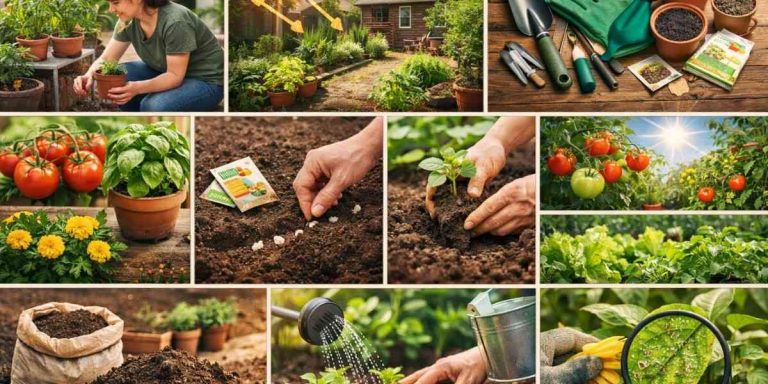
How to Start Organic Gardening at Home
Starting may feel overwhelming, but it becomes simple when you break it into steps.
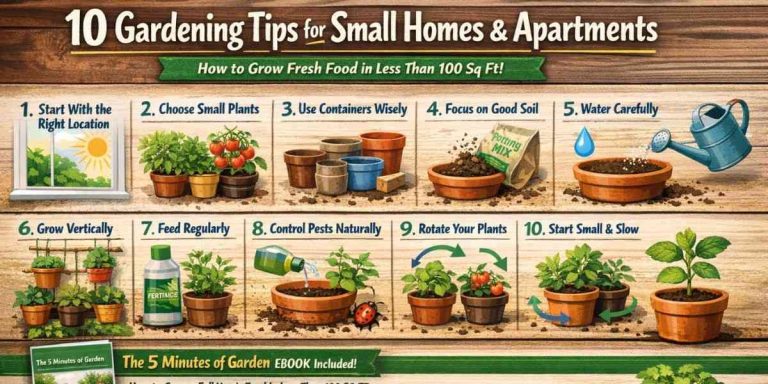
1. Choose the Right Location
The majority of veggies require six to eight hours of sunlight per day. Choose a bright area on your terrace, balcony, or backyard.
Make sure:
- Water can drain properly
- Air circulates well
- The space is easy to access
Even small spaces can produce good results.
2. Prepare Healthy Soil
Soil is the heart of organic gardening for beginners. Without healthy soil, plants cannot grow well.
Good soil should:
- Drain water properly
- Feel soft and crumbly
- Contain organic matter
You can improve soil by adding:
- Compost
- Aged manure
- Leaf mold
- Kitchen vegetable scraps (composted)
Avoid chemical fertilizers because they weaken soil life over time.
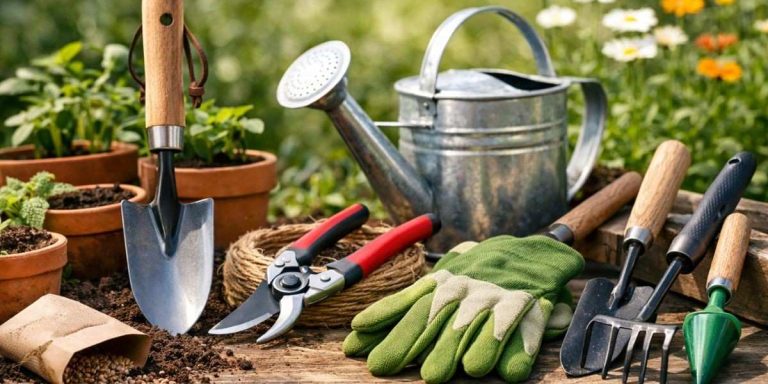
Gather Essential Gardening Tools
Before planting, keep these basic tools ready:
- Hand trowel
- Gardening gloves
- Watering can
- Pruning shears
- Garden fork
- Compost bin
Decide Between Containers and Garden Beds
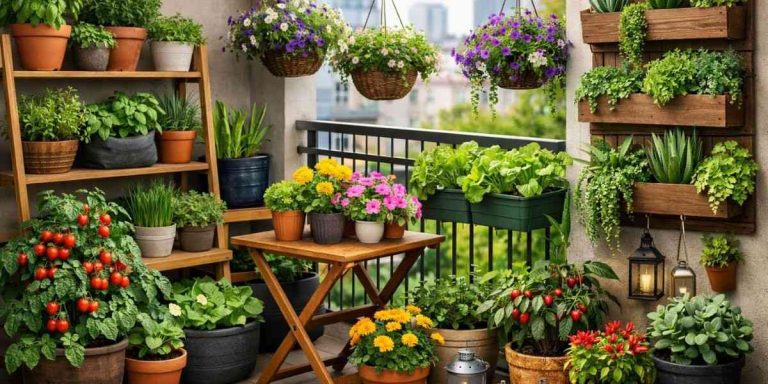
Container gardening works well for balconies and patios, while raised beds offer more space and better soil management.
Understanding Organic Fertilizers for Plants
A common question among beginners is, “What can I use in place of chemical fertilizers?”
Fortunately, there are many natural alternatives.
Organic fertilizers for plants include:
- Compost
- Vermicompost (worm compost)
- Cow manure
- Bone meal
- Fish emulsion
- Seaweed extract
These fertilizers release nutrients slowly. This helps plants grow steadily and naturally.
Unlike synthetic fertilizers, organic options also improve soil structure and support beneficial microbes.
How Often Should You Fertilize?
Most vegetables benefit from feeding every 3–4 weeks during the growing season, depending on the fertilizer used.
Homemade Organic Fertilizer Ideas
You can create nutrient-rich fertilizers using:
- Banana peels
- Eggshells
- Compost tea
- Vegetable scraps
- Coffee grounds
Choosing the Right Plants for Beginners
If you are just starting, choose easy-to-grow plants.
Good beginner choices include:
Best Vegetables for Small Gardens
If space is limited, consider growing:
- Cherry tomatoes
- Spinach
- Lettuce
- Radishes
- Green onions
Easy Herbs for First-Time Gardeners
Herbs are among the easiest plants to grow organically:
- Basil
- Mint
- Cilantro
- Parsley
- Oregano
These grow quickly and give fast results. Fast results keep beginners motivated.
Start small. It is better to manage a small healthy garden than a large struggling one.
Natural Gardening Methods for Pest Control
One common question is, “How do I control pests without chemicals?”
In chemical-free gardening, prevention is the first step.
Here are natural gardening methods to protect your plants:
- Plant different crops together (companion planting)
- Attract beneficial insects like ladybugs
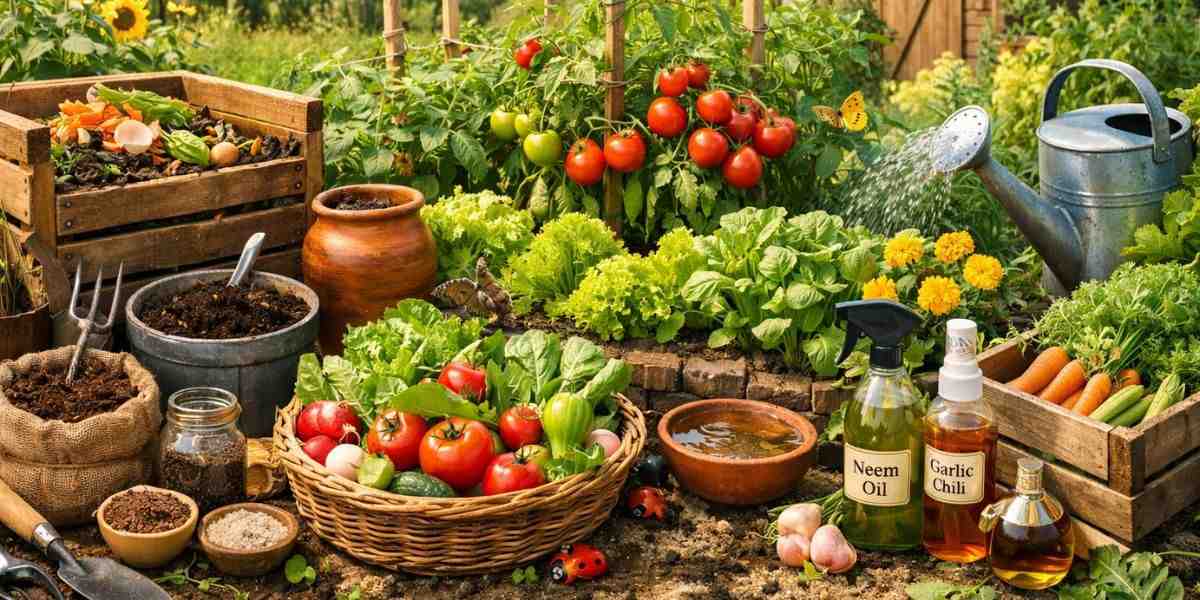
- Use neem oil spray
- Use garlic or chili spray
- Remove pests by hand if needed
Healthy soil creates strong plants. Strong plants resist pests naturally.
Avoid overwatering. Too much water invites disease.
Watering the Right Way
Watering seems simple, but many beginners make mistakes.
Water deeply but not daily. In between waterings, allow the top soil to dry somewhat. Early morning is the best time.
Too much water causes root rot. Too little water causes weak growth.
A good balance keeps plants strong.
Signs of Overwatering
Common symptoms include:
- Yellow leaves
- Root rot
- Mold growth
- Wilting despite wet soil
Water-Saving Gardening Tips
Mulching around plants helps retain moisture and reduces watering frequency.
Composting at Home
Composting is a key part of organic gardening at home.
How to Build a Simple Compost Bin
A compost bin can be made from wooden pallets, plastic containers, or recycled storage bins with ventilation holes.
Understanding Green and Brown Materials
Successful composting requires balance:
Green Materials
- Fruit scraps
- Vegetable peels
- Coffee grounds
- Fresh grass
Brown Materials
- Dry leaves
- Cardboard
- Straw
- Newspaper
A mix of both speeds up decomposition.
Do not compost
- Meat
- Dairy
- Oily food
Composting turns waste into rich plant food. It reduces kitchen waste and saves money.
Common Mistakes Beginners Should Avoid
Many people quit gardening because of small mistakes.
Avoid these common problems:
- Overwatering plants
- Using too many fertilizers
- Planting too close together
- Ignoring soil health
- Expecting instant results
Remember, organic gardening is a slow and natural process. Patience is important.
How Long Does It Take to See Results?
Fast-Growing Crops for Quick Harvests
These crops can provide early success:
| Crop | Approximate Harvest Time |
|---|---|
| Radishes | 25–30 days |
| Lettuce | 30–45 days |
| Spinach | 35–50 days |
| Green Onions | 40–60 days |
Why Patience Matters in Organic Gardening
Organic gardening focuses on long-term soil health rather than rapid growth through chemical inputs.
Seasonal Planning and Crop Rotation
To maintain soil health, do not grow the same crop in the same place every season.
Crop rotation prevents nutrient loss and reduces pest problems.
For example:
- Grow leafy greens first
- Then legumes
- Then root vegetables
This keeps the soil balanced and productive.
Seasonal Planting Calendar for Beginners
| Season | Recommended Crops |
|---|---|
| Spring | Lettuce, peas, spinach |
| Summer | Tomatoes, cucumbers, beans |
| Autumn | Carrots, beets, kale |
| Winter | Garlic, onions, leafy greens |
Benefits of Crop Rotation
Rotating crops helps:
- Reduce pest buildup
- Prevent nutrient depletion
- Improve soil structure
- Increase harvest yields
Is Organic Gardening Expensive?
At first, you may spend money on tools and compost bins. But over time, it becomes affordable.
You reuse kitchen waste, cut grocery costs, and eliminate the need for expensive chemicals.
In the long run, organic gardening at home saves money and improves health.
Organic Gardening Maintenance Throughout the Year
Spring Garden Tasks
Prepare beds, add compost, and plant cool-season crops.
Summer Garden Tasks
Monitor watering, mulch heavily, and harvest regularly.
Autumn Garden Tasks
Remove spent plants, plant cover crops, and enrich soil.
Winter Garden Tasks
Plan next season, maintain tools, and continue composting.
Final Thoughts
Organic gardening at home is not just about growing food. It is about building healthy soil, protecting nature, and creating a better lifestyle.
When you use natural gardening methods and organic fertilizers for plants, you grow food that is safe, fresh, and full of nutrients.
Start small. Stay consistent. Learn from mistakes. Over time, your garden will grow better each season.
FAQs
1. What is organic gardening, and how does it work?
Organic gardening is a natural way of growing plants without using synthetic fertilizers, pesticides, or genetically modified products. Instead, it relies on compost, natural fertilizers, beneficial insects, and healthy soil practices. The goal is to create a balanced garden ecosystem that supports plant growth while protecting the environment. Many home gardeners choose organic methods because they produce fresh, chemical-free fruits, vegetables, and herbs.
2. How do I start an organic garden at home?
Starting an organic garden is easier than many people think. Begin by choosing a sunny location, preparing nutrient-rich soil, and selecting plants that grow well in your climate. Add compost or organic matter to improve soil health, and use natural mulch to retain moisture. Start with a few easy-to-grow crops such as tomatoes, lettuce, spinach, basil, or mint. As your confidence grows, you can expand your garden over time.
3. What is the best natural fertilizer for an organic garden?
Compost is often considered the best all-around fertilizer for organic gardens because it enriches the soil with essential nutrients while improving soil structure. Other popular organic fertilizers include well-rotted manure, worm castings, bone meal, fish emulsion, and seaweed-based products. These natural options help plants grow strong without introducing harsh chemicals into your garden.
4. How can I control pests naturally in an organic garden?
Organic gardeners use several natural methods to manage pests. Companion planting, introducing beneficial insects like ladybugs, hand-picking pests, and using neem oil or insecticidal soap are all effective solutions. Keeping plants healthy and maintaining good garden hygiene can also reduce pest problems. The key is prevention and balance rather than relying on chemical treatments.
5. Can organic gardening produce as much food as conventional gardening?
Yes, organic gardens can be highly productive when managed properly. Healthy soil, proper watering, crop rotation, and regular maintenance all contribute to strong harvests. While results may vary depending on the plants and growing conditions, many home gardeners successfully grow an abundance of vegetables, fruits, and herbs using organic methods alone.
Sources & further reading
These are the primary references behind the guidance in this article: