Vertical Gardening: Beginner’s Home Garden Guide
Vertical Gardening is a smart way to grow plants in small spaces. This beginner-friendly guide explains planting steps, garden design ideas, tools, supplies, and care tips to help you start with confidence.
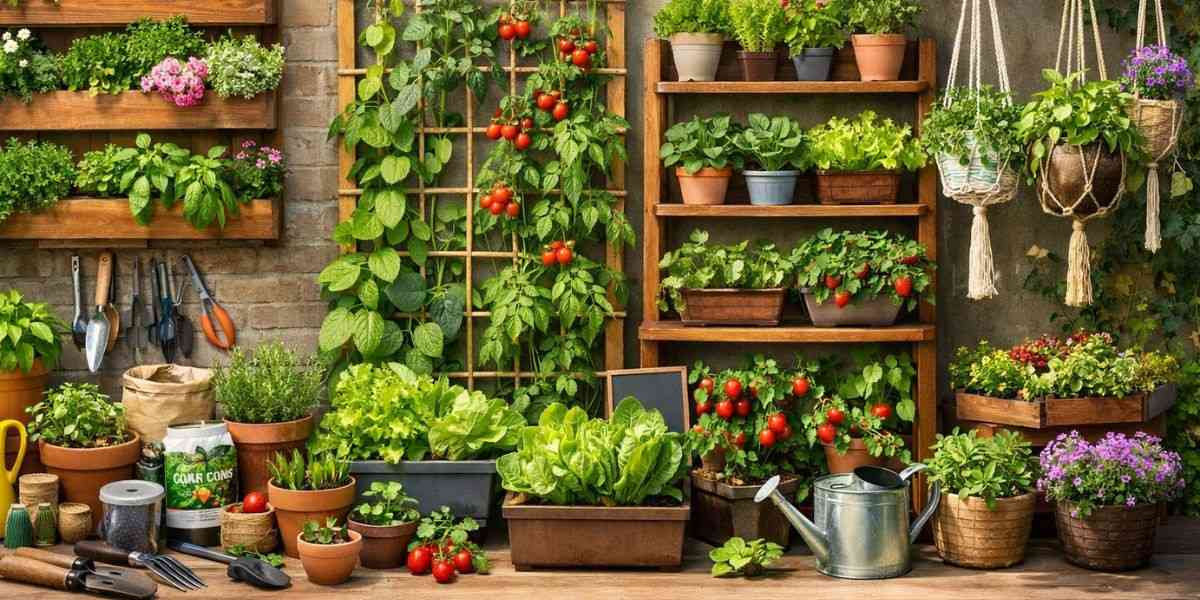
Vertical Gardening is one of the easiest and smartest ways to start gardening at home, especially if you have limited space. Instead of spreading plants across the ground, you grow them upward using walls, shelves, or frames. This method is perfect for apartments, balconies, and small yards. It saves space, looks beautiful, and makes planting simple for beginners. If you have ever wanted to grow fresh herbs, vegetables, or flowers but thought you did not have enough room, this guide will help you start the right way.
In this detailed beginner guide, you will learn about garden design, different garden types, basic planting steps, essential gardening supplies, and tools you need to build a healthy vertical garden at home.
What Is Vertical Gardening?
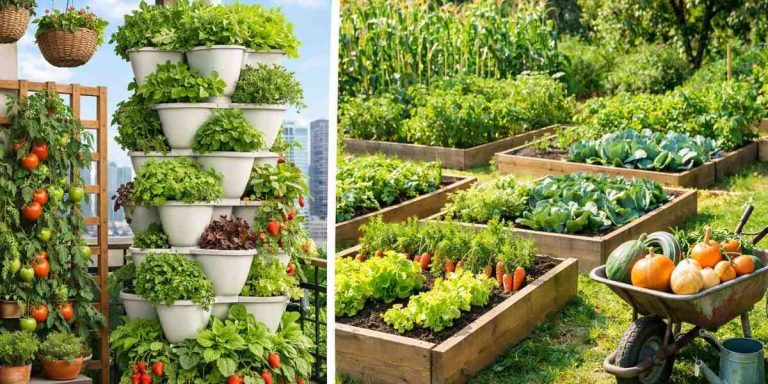
Vertical Gardening is a method of growing plants upward instead of outward. Plants are placed in stacked containers, wall planters, hanging pots, trellises, or vertical frames.
This type of garden works well because:
- It uses small spaces wisely
- It improves air flow around plants
- It reduces soil-borne diseases
- It makes harvesting easier
- It adds beauty to plain walls
For beginners, it is less overwhelming than managing a large ground garden.
Why Beginners Should Choose Vertical Gardening
Many new gardeners stop because they feel confused about garden types and space planning. Vertical gardening removes that stress.
It is beginner-friendly because:
- You control soil quality easily.
- Watering is simpler when plants are grouped.
- Weeds are reduced compared to ground gardens.
- Maintenance takes less time.
If you live in an apartment or rented home, this method is ideal because it does not require digging the ground.
Best Garden Types for Vertical Gardening
Before planting, it is important to choose the right garden type for your space.
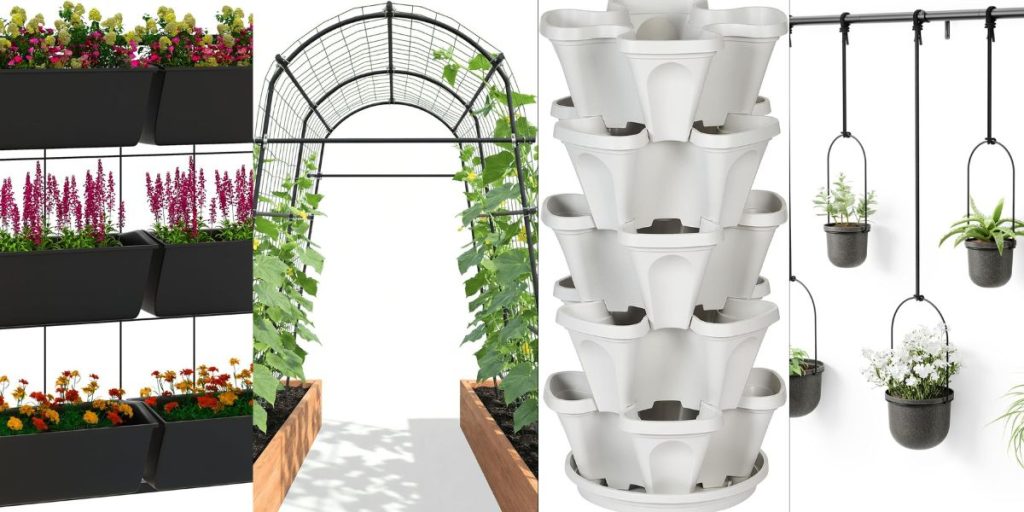
1. Wall-Mounted Garden
Planters are attached directly to walls. This works well for herbs and flowers.
2. Trellis Garden
Climbing plants like beans and cucumbers grow upward using support frames.
3. Shelf Garden
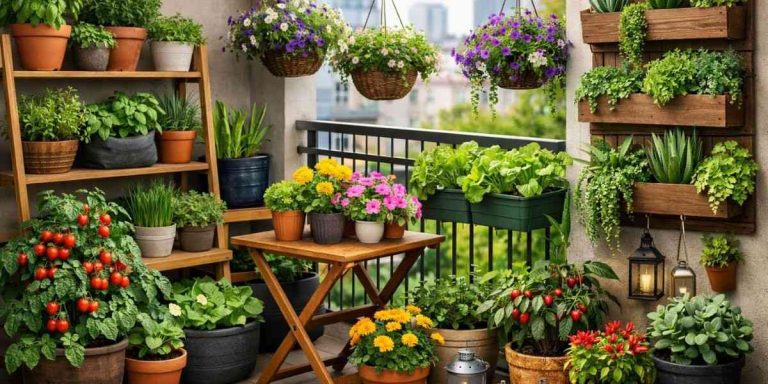
Stacked shelves hold pots at different heights. Good for small balconies.
4. Hanging Garden
Pots are suspended from ceilings or hooks. Perfect for decorative plants.
Each type supports different plant needs. Choose based on sunlight, space, and plant variety.
How to Plan Your Garden Design
Good garden design makes your vertical garden successful.
Start by asking:
- How much sunlight does the space get daily?
- Is the wall strong enough to hold planters?
- Will water drain properly?
Place sun-loving plants at the top and shade-loving plants below. Keep heavier pots at lower levels for safety. Arrange plants by height and color for an attractive look.
A simple design idea is to group herbs together, vegetables together, and flowers separately. This makes watering and care easier.
Essential Gardening Supplies for Beginners
Before planting, gather basic gardening supplies. Having the right materials prevents problems later.
You will need:
- Good quality potting soil
- Containers or vertical planters
- Compost or organic fertilizer
- Watering can or spray bottle
- Drainage trays
Healthy soil is the most important part. Do not use plain garden soil. Potting mix is lighter and drains better.
Basic Gardening Tools You Must Have
You do not need many tools to start Vertical Gardening. Keep it simple.
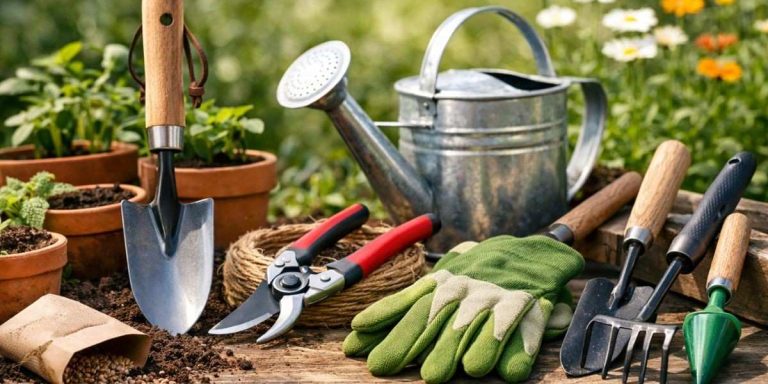
Essential tools include:
- Hand trowel for planting
- Pruning scissors for trimming
- Gloves to protect your hands
- Small rake for mixing soil
- Spray bottle for delicate plants
These tools help you plant neatly and maintain your garden easily.
Step-by-Step Planting Guide for Vertical Gardening
Many beginners worry about how to start planting correctly. Follow these simple steps:
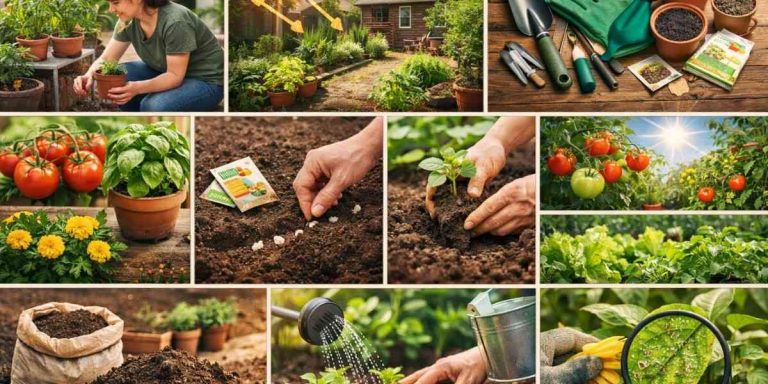
First, fill your container with a potting mix. Leave some space at the top.
Next, make a small hole using your trowel. Place the seedling gently inside. Place soil over the roots and gently push.
Water slowly until the soil is moist but not soaked.
Place the container in the correct sunlight area based on the plant type.
If you are planting seeds, follow the depth instructions on the packet. Do not plant seeds too deep.
Best Plants for Vertical Gardening Beginners
Some plants grow better vertically than others.
Great beginner options include:
- Mint
- Basil
- Spinach
- Lettuce
- Cherry tomatoes
- Strawberries
- Pothos
- Petunias
Select plants suited to your climate and amount of sunlight.
Watering and Maintenance Tips
Overwatering is the most common beginner mistake.
Touch the soil to determine its moisture content. Water lightly if the top layer seems dry. Ensure that any extra water drains out.
Trim dead leaves regularly. Prune climbing plants to guide their growth.
Add compost every few weeks to keep nutrients strong.
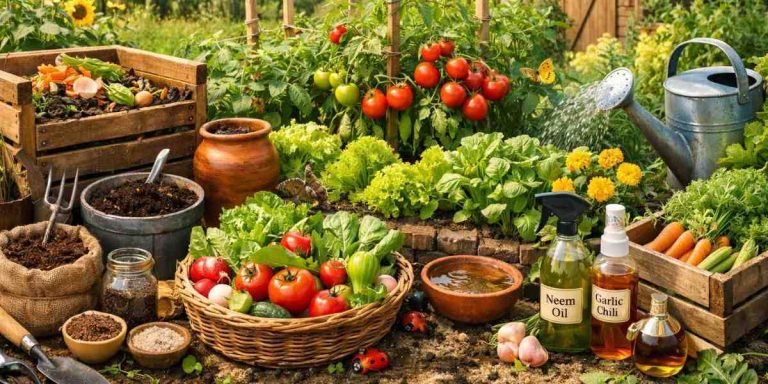
Watch for pests. If you see insects, use natural remedies like neem oil spray.
Common Problems and How to Fix Them
Even small gardens face issues. Here are simple solutions:
- Yellowing leaves often signal excessive watering.
- Slow growth typically indicates insufficient sunlight.
- Root rot is a sign that drainage needs to be improved right away.
Most problems are easy to fix when noticed early.
How Much Does Vertical Gardening Cost?
Costs depend on your design. A simple vertical garden can start with basic containers and soil.
You can reuse plastic bottles, wooden pallets, or old shelves to reduce expenses. As you grow more confident, you can invest in advanced planters and decorative frames.
Is Vertical Gardening Good for Vegetables?
Yes, many vegetables grow well vertically. Tomatoes, cucumbers, beans, and peas grow better when supported upward. It also improves air flow, which reduces disease risk.
Leafy greens are excellent for shelf-style vertical gardens.
How to Make Your Vertical Garden Look Beautiful
Mix different plant heights. Combine green leafy plants with colorful flowers. Keep spacing neat.
Add simple decorations like small lights or wooden frames. A clean and organized design makes your garden inviting.
Why Vertical Gardening Is Perfect for Modern Homes
Modern living spaces are becoming more compact, with many people residing in apartments and densely populated cities. Vertical gardening adapts perfectly to this lifestyle, making it possible to grow fresh produce, lower stress levels, and enhance indoor air quality—no backyard required.
It goes beyond simply growing plants; it’s about designing a calm, refreshing space within your home.
FAQ
What is vertical gardening, and how does it work?
Vertical gardening is a gardening method where plants are grown upward instead of spreading across the ground. Plants are placed on walls, trellises, shelves, hanging baskets, or specially designed vertical planters. This approach helps maximize growing space, making it ideal for apartments, balconies, patios, and small backyards. It allows you to grow flowers, herbs, vegetables, and even some fruits in a compact area.
What are the best plants for vertical gardening at home?
Many plants thrive in vertical gardens. Beginners often start with herbs like basil, mint, parsley, and cilantro because they are easy to grow and maintain. Leafy greens such as lettuce, spinach, and kale also work well. For decorative gardens, pothos, ferns, succulents, and flowering plants like petunias are excellent choices. Climbing vegetables such as cucumbers, beans, and peas can also be trained to grow vertically on trellises.
How do I start a vertical garden at home?
Starting a vertical garden is easier than many people think. First, choose a location that receives the right amount of sunlight for your plants. Next, select a vertical structure such as a wall planter, hanging pots, shelves, or a trellis. Fill containers with quality potting soil, plant your chosen seeds or seedlings, and water them regularly. As the plants grow, provide support for climbing varieties and monitor them for pests and nutrient needs.
Does vertical gardening save space?
Yes, saving space is one of the biggest advantages of vertical gardening. By growing plants upward, you can use walls, fences, railings, and other vertical surfaces that would otherwise remain unused. This makes it possible to grow a surprising number of plants even in small apartments, balconies, or urban homes where traditional gardening space is limited.
How often should I water a vertical garden?
The watering frequency depends on the type of plants, weather conditions, and container size. Because vertical gardens often have smaller containers and greater air exposure, they may dry out faster than traditional garden beds. In warm weather, some plants may need watering daily, while others can go several days between waterings. Checking the soil moisture regularly is the best way to determine when your plants need water.
Sources & further reading
The recommendations here draw on the following independent sources: