10 Gardening Tips for Small Homes & Apartments
Looking for simple gardening tips for small homes? Learn how to grow plants in apartments, balconies, and tiny spaces with easy, beginner-friendly steps.
Gardening tips for small homes can help you grow fresh herbs, flowers, and vegetables even if you live in a tiny apartment. You do not need a big backyard to enjoy plants. With the right planning, simple tools, and smart ideas, you can turn any small corner into a green space. Whether you live in a studio apartment or a small house, this guide will show you practical apartment gardening tips, indoor gardening tips, and balcony gardening tips that truly work.
Many people search for small space gardening ideas because they want fresh food, better air, and a peaceful hobby. The good news is this: small spaces can actually be easier to manage than large gardens. You spend less money, use less water, and care for fewer plants. Let’s go over everything you should know.
Why Small Space Gardening Works
Small gardening spaces are easier to control. You can manage sunlight, soil, water, and plant health without feeling overwhelmed. A lot of beginners fail because they start too large. A small home garden allows you to learn step by step.
It also fits modern living. Today, many people live in apartments. That is why apartment gardening tips and indoor gardening tips are more popular than ever. Growing plants in containers, shelves, or balconies is now normal and practical.
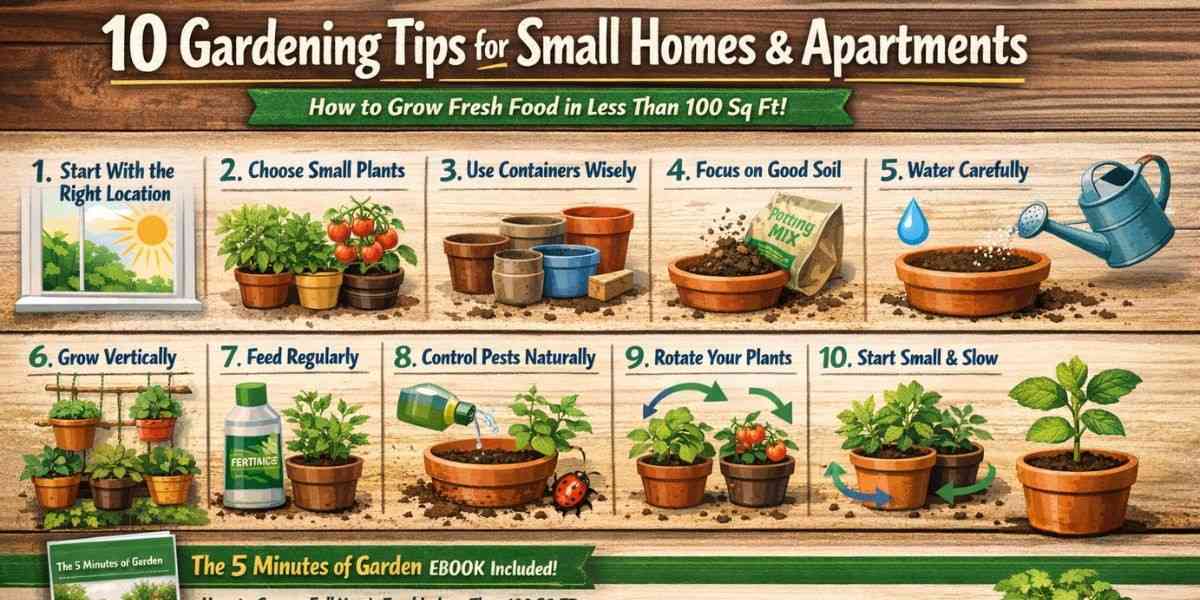
1. Start With the Right Location
Before buying plants, observe your space. Notice how much sunlight comes in. Most vegetables need 6–8 hours of sunlight. Parsley and mint are among the herbs that can thrive in partial shade. Some indoor plants grow well with indirect light.
For apartments, windowsills are perfect for herbs. If you have a balcony, check whether it faces east, west, north, or south. South-facing balconies usually get the most sunlight.
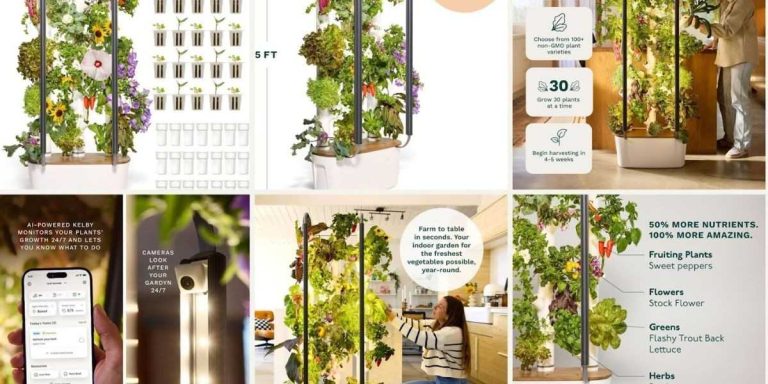
If natural light is low, you can use grow lights. These are helpful indoor gardening tips for people living in darker homes.
2. Choose Plants That Fit Small Spaces
One common mistake is choosing large plants that need too much room. In small homes, pick compact or dwarf varieties.
Good choices include:
- Herbs like basil, mint, coriander, and thyme
- Leafy greens like spinach and lettuce
- Cherry tomatoes
- Chili peppers
- Small flowering plants
These plants grow well in containers and are perfect for small space gardening ideas. Always read the plant label to understand space and sunlight needs.
3. Use Containers the Smart Way
Containers are the heart of apartment gardening tips. You do not need expensive pots. Clay pots, hanging baskets, containers, and even repurposed buckets can be used.
Make sure every container has drainage holes. Without proper drainage, roots can rot. Place a small tray under the pot to collect extra water.
For deeper plants like tomatoes, use larger containers. For herbs and greens, shallow pots work fine. Choosing the right size container keeps plants healthy.
4. Focus on Good Soil Quality
Soil is more important than the pot. Do not use regular garden soil from outside. It may contain pests and may not drain well indoors.
Use a high-quality potting mix. Good potting soil:
- Drains well
- Holds moisture
- Contains nutrients
You can also mix compost for better growth. Healthy soil means stronger plants and better results.
5. Water Carefully, Not Too Much
The largest issue with small home gardens is overwatering. Many novices believe that faster development is correlated with more water. That isn’t accurate.
Examine the soil before applying water. Water if the top inch feels dry. Wait another day if it still seems damp.
Balcony gardening tips often include watching the weather. Outdoor containers dry faster in hot weather. Indoor plants usually need less water.
6. Use Vertical Space
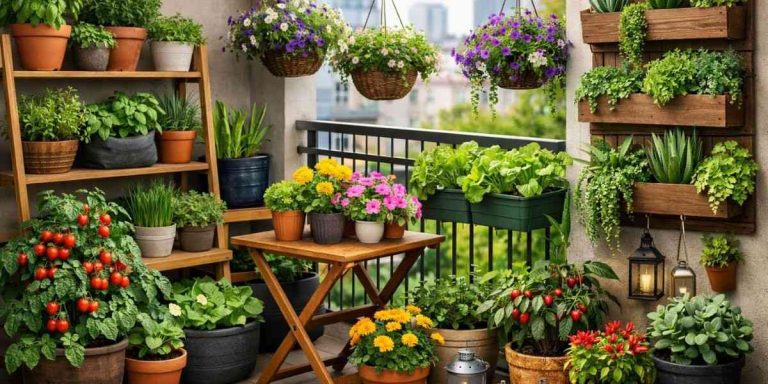
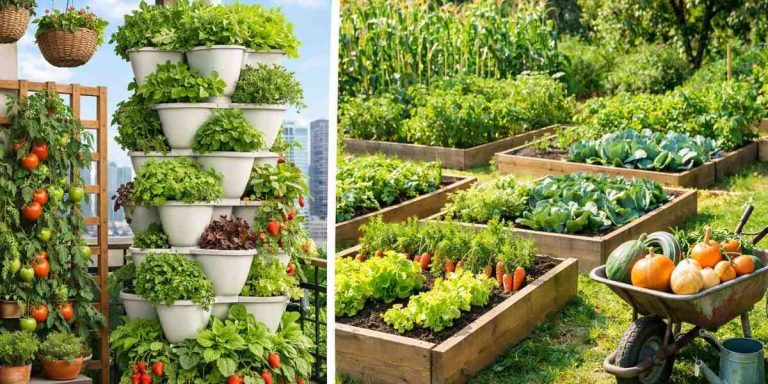
When space is limited, grow upward instead of outward. Vertical gardening is one of the best small space gardening ideas.
You can:
- Install wall shelves
- Use hanging pots
- Add railing planters on balconies
- Place plant stands in corners
This helps you grow more plants without crowding the floor. Vertical gardens also look beautiful and modern.
7. Feed Your Plants Regularly
Plants in containers lose nutrients faster than ground plants. Add organic fertilizer every few weeks. Liquid fertilizers are easy for beginners.
Indoor gardening tips often suggest light feeding rather than heavy feeding. Too much fertilizer can damage roots. Follow instructions carefully.
8. Control Pests Naturally
Even small gardens can attract pests like aphids or small flies. Check leaves regularly. Look under the leaves for insects.
You can spray a mild soap-water solution to control small pests. Neem oil is also a natural option. Clean leaves and good airflow prevent many problems.
Healthy plants are less likely to attract pests.
9. Rotate Plants for Even Growth
Indoor plants often lean toward sunlight. To ensure even plant growth, turn pots every few days. This simple step improves plant shape and strength.
For balcony gardens, rotate pots if one side gets stronger sunlight. Balanced light means balanced growth.
10. Start Small and Grow Slowly
One of the most important gardening tips for small homes is to start with just a few plants. Learn how they respond. Once you feel confident, add more.
Small gardening is about patience. Plants grow slowly, and that is part of the joy. When you see your first leaf or flower, it feels rewarding.
Gardening Tips for Small Homes: Simple Tools You Need
Ebook: The 5 minutes of garden – How to grow a full Year’s food in less than 100 SQ FT or Less
Perfect for apartments, condos, or small yards. Grow enough food for a family using less space than a typical bedroom.
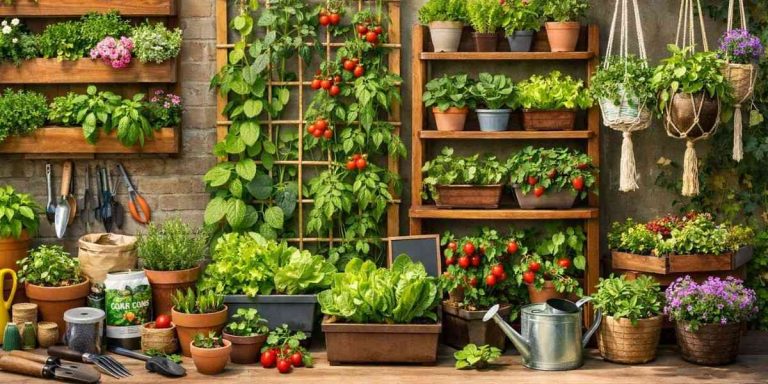
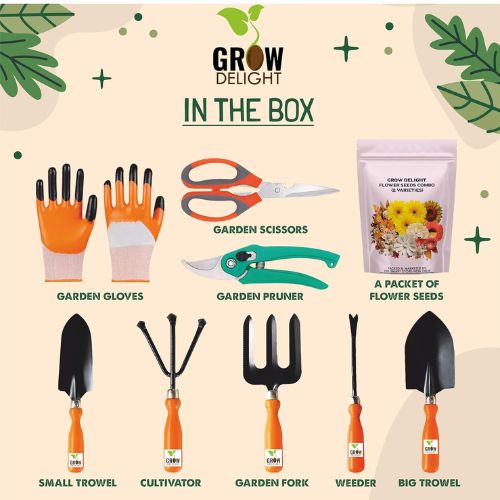
You do not need many tools. A small hand trowel, watering can, pruning scissors, and good soil are enough to begin. As your garden grows, you can add more items if needed.
Keeping tools simple makes gardening stress-free.
🌿 Start Your Small Garden Today
Even with the smallest home, I firmly believe that everybody can grow plants. You should start now if you have been waiting for the “perfect space.” Begin with a single pot. One plant. One tiny corner. 🌱
Frequently Asked Questions
1. Can I start a garden in a small apartment?
Yes, you can absolutely start a garden even in a small apartment. Many people grow plants successfully on balconies, windowsills, kitchen counters, or small indoor corners. Container gardening is one of the easiest ways to make use of limited space. With the right plants, proper sunlight, and regular care, even a tiny apartment can become a beautiful green space.
2. What are the best plants for small homes and apartments?
Some of the best plants for small spaces include pothos, snake plants, peace lilies, succulents, herbs like basil and mint, and small vegetable plants such as cherry tomatoes or chili peppers. These plants are popular because they are easy to maintain and grow well indoors or in compact balcony spaces.
3. How can I garden without a balcony or outdoor space?
Even without a balcony, you can still enjoy gardening indoors. Place plants near sunny windows, use hanging planters, or try vertical shelves to save space. Indoor gardening with herbs, succulents, or air-purifying plants is very common in apartments. Grow lights can also help if your home does not receive enough natural sunlight.
4. How often should apartment plants be watered?
The watering schedule depends on the type of plant, room temperature, and humidity levels. In general, most indoor plants should be watered when the top layer of soil feels dry. Overwatering is a common mistake in apartment gardening because indoor plants usually need less water than outdoor plants. Checking the soil before watering can help keep plants healthy.
5. What are the best gardening tips for beginners living in apartments?
The best advice for apartment gardening beginners is to start small and choose low-maintenance plants. Use lightweight pots with proper drainage, avoid overcrowding plants, and make sure they get enough sunlight. Grouping plants together can also improve humidity and create a relaxing green corner in your home. Most importantly, be patient and enjoy the process as your indoor garden grows over time.
Sources & further reading
Useful independent references on this topic: