Gardening for Beginners: Easy Steps to Start at Home
New to plants? This beginner-friendly guide explains how to start gardening at home with simple tools, easy plants, and clear steps.
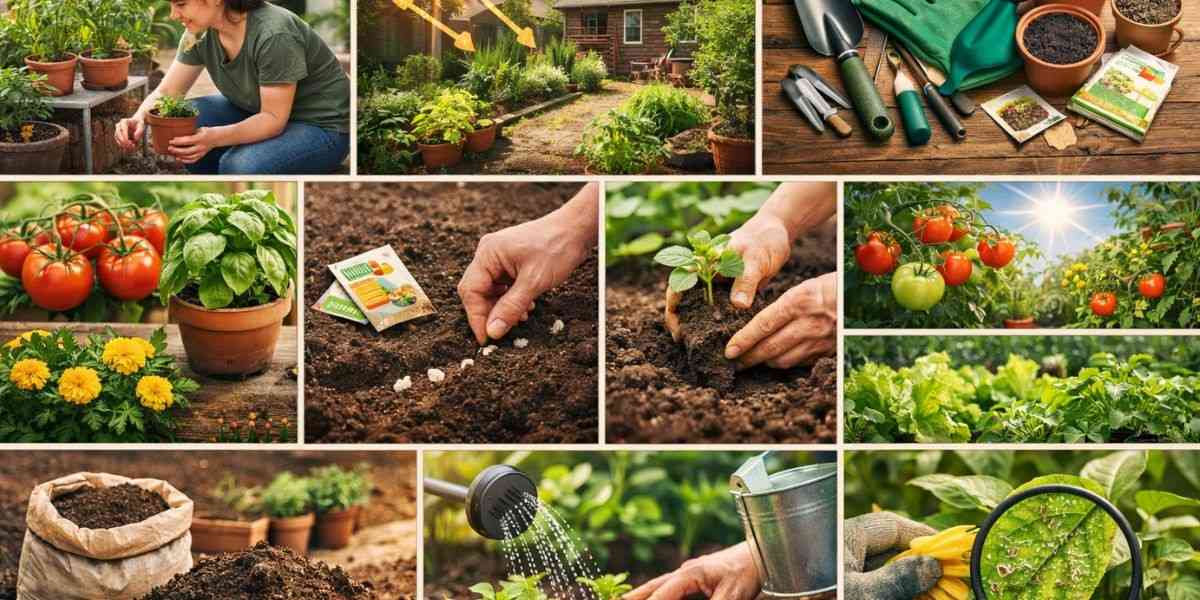
Gardening for beginners does not have to be hard or confusing. Many people want to grow plants but feel unsure about where to begin. The truth is, you only need basic knowledge, simple tools, and a little patience. Whether you have a backyard, balcony, or just a small window space, you can create a healthy home garden. This guide explains how to start gardening at home in clear and easy steps.
If you are asking, “What do I need?” or “Will I be able to grow plants successfully?” — this article answers those questions.
Why Start Home Gardening for Beginners?
Home gardening is more than just planting seeds. It gives real benefits:
- Fresh vegetables and herbs
- A relaxing daily activity
- Cleaner air around your home
- A sense of achievement
When you grow something yourself, you understand the process of nature. That connection is one of the biggest rewards.
Step 1: Understand Your Space
Before planting anything, look at your available space.
Ask yourself:
- What is the number of hours of sunlight in the area?
- Is it windy or shaded?
- Can I grow in the ground or in pots?
Most vegetables need 6–8 hours of sunlight daily. If you live in an apartment, container gardening works very well. Even a sunny window can support small herbs.
This is one of the most important gardening basics at home — plants grow best when placed in the right location.
Step 2: Start with Easy Plants
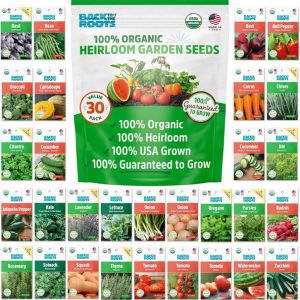
As a beginner, choose plants that grow quickly and do not need special care.
Good options include:
Vegetables
- Tomatoes
- Spinach
- Lettuce
Herbs
- Basil
- Mint
Flowers
- Marigolds
- Sunflowers
These plants are forgiving. Even if you make small mistakes, they still grow well. Starting small builds confidence.
Step 3: Gather Basic Tools
You do not need expensive equipment for gardening for beginners.
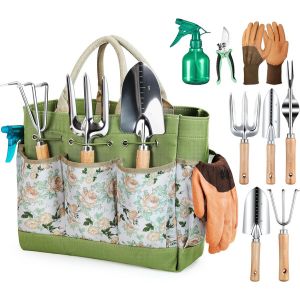
Essential tools:
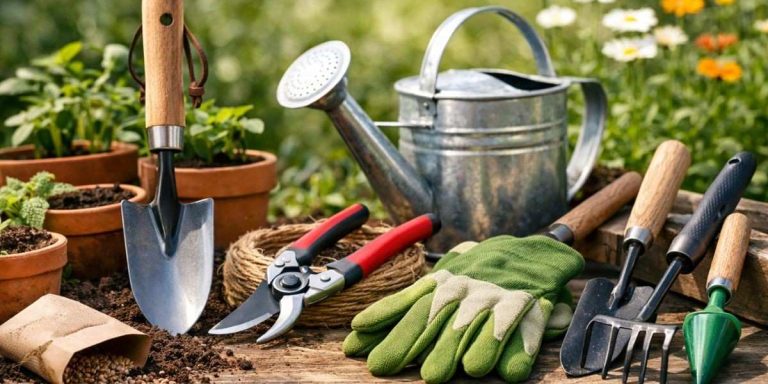
- Hand trowel (for digging small holes)
- Watering can
- Garden gloves
- Pots with drainage holes
- Good-quality potting soil
That is enough to begin. You can always add more tools later.
Step 4: Use Good Soil
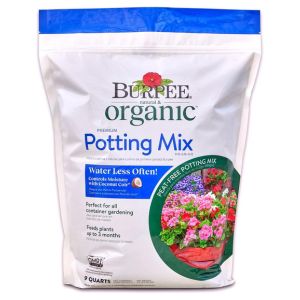
Healthy soil is the foundation of plant growth.
Good soil should:
- Drain excess water
- Hold some moisture
- Contain nutrients
If you are using pots, buy ready-made potting mix. For ground planting, mix compost into the soil. Compost improves plant strength and growth.
Without proper soil, plants struggle — even with sunlight and water.
Step 5: Plant Correctly
You can grow plants from seeds or small starter plants (seedlings).
If using seeds:
- Follow depth instructions on the packet.
- Do not plant too deep.
- Water gently after planting.
If using seedlings:
- Dig a hole slightly bigger than the roots.
- Place the plant carefully.
- Press soil lightly around it.
Planting correctly helps roots grow strong and stable.
Step 6: Water Carefully
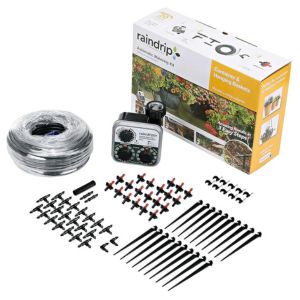
Overwatering is the most common mistake in home gardening for beginners.
Simple rule:
- Touch the soil before watering.
- If it feels dry one inch below the surface, water it.
Water in the morning or evening. Avoid watering during hot afternoon sun because water evaporates quickly.
Balanced watering keeps roots healthy.
Step 7: Give Proper Sunlight
Plants use sunlight to produce energy. Without enough light, growth becomes weak.
- Leafy greens need moderate sunlight.
- Fruiting plants like tomatoes need full sunlight.
- Indoor plants prefer bright but indirect light.
Pots can be moved if needed. See how the plants respond. If leaves need more light, they will let you know.
Step 8: Maintain and Monitor
Check your plants daily for:
- Yellow leaves
- Dry soil
- Insects
- Slow growth
Remove dead leaves to help new growth. If insects appear, rinse leaves gently with water or use natural sprays like neem oil.
Regular observation is one of the best beginner gardening tips. Small problems are easier to fix early.
Mistakes to Avoid
- Planting too many varieties at once
- Using containers without drainage holes
- Ignoring sunlight requirements
- Watering daily without checking soil
Patience is key. Gardening is a slow but rewarding process.
Choose Your Gardening Style
Before buying plants or tools, decide which gardening style fits your home and lifestyle. The right gardening method can make your gardening journey easier and more enjoyable. Beginners are often most successful when they start with a style that matches their available space and maintenance preferences.
1. Container Gardening (Best for Apartments and Balconies)
Container gardening involves growing plants in pots, grow bags, buckets, or other containers. It is one of the easiest ways for beginners to start gardening because it requires minimal space and allows you to control soil quality. Herbs, tomatoes, peppers, spinach, and flowers grow well in containers. Containers with drainage holes help prevent root rot and overwatering.
Best For:
- Apartments
- Balconies
- Patios
- Small homes
Beginner-Friendly Plants:
- Mint
- Tulsi (Holy Basil)
- Coriander
- Cherry Tomatoes
- Spinach
2. Raised Bed Gardening (Best for Higher Yields)
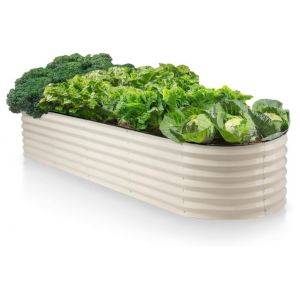
Raised beds are wooden or metal frames filled with quality soil. They provide excellent drainage, reduce weeds, and make plant care easier. Many gardening experts recommend a small raised bed as a great starting point for first-time gardeners.
Best For:
- Backyards
- Terraces
- Homeowners with outdoor space
Advantages:
- Better soil control
- Easier weed management
- Improved drainage
- Higher vegetable production
3. Vertical Gardening (Best for Small Spaces)
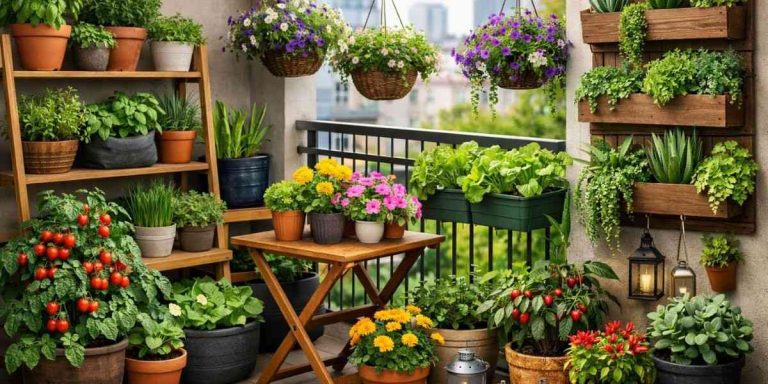
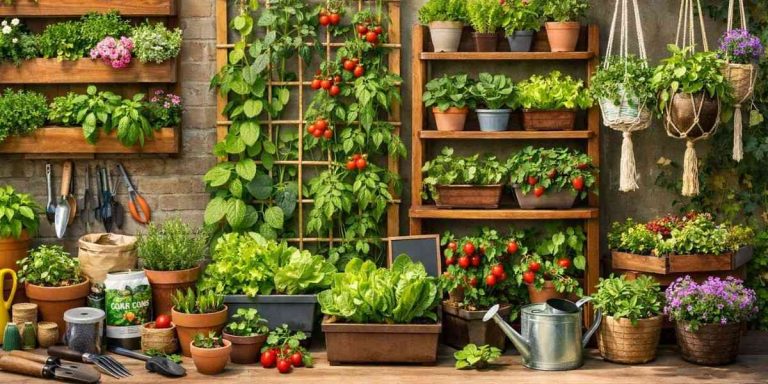
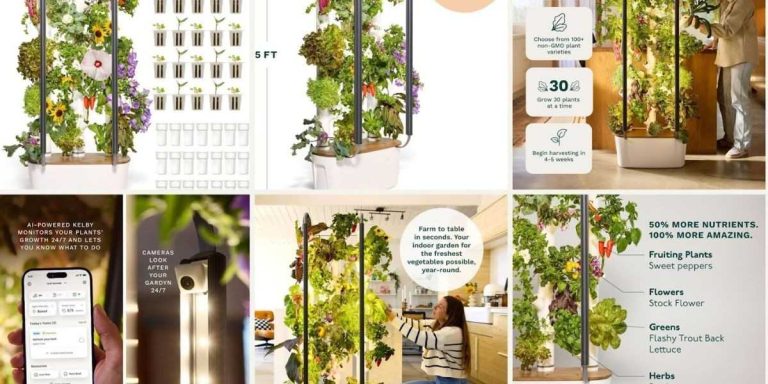
If you have limited floor space, grow upward instead of outward. Vertical gardening uses walls, trellises, shelves, hanging baskets, and pocket planters to maximize growing space. It is ideal for urban homes and apartment balconies.
Best For:
- Small balconies
- Apartment walls
- Compact patios
Great Plants for Vertical Gardens:
- Herbs
- Lettuce
- Spinach
- Beans
- Strawberries
4. In-Ground Gardening (Best for Large Yards)
Traditional in-ground gardening involves planting directly in the soil. This method is cost-effective and works well if your yard already has healthy soil. However, beginners may need to improve the soil with compost before planting.
Best For:
- Large gardens
- Vegetable patches
- Flower beds
Advantages:
- Low startup cost
- Plenty of growing space
- Suitable for larger crops
Gardening Style Comparison Table
| Gardening Style | Space Needed | Cost | Maintenance | Best For |
|---|---|---|---|---|
| Container Gardening | Very Small | Low | Easy | Apartments, balconies |
| Raised Bed Gardening | Medium | Medium | Easy | Beginners growing vegetables |
| Vertical Gardening | Small | Low to Medium | Easy | Small-space gardening |
| In-Ground Gardening | Large | Low | Moderate | Homes with backyards |
Which Gardening Style Should You Choose?
If you’re completely new to gardening, start with Container Gardening because it’s affordable, simple, and forgiving. If you have a backyard and want to grow vegetables, a Raised Bed Garden offers the best balance between productivity and ease of maintenance. For apartment dwellers, Vertical Gardening is a smart way to maximize every inch of available space.
Beginner Tip: Start with one gardening style and 3–5 easy-to-grow plants. Once you gain confidence, you can expand your garden and experiment with different methods.
Final Thoughts on Gardening Basics at Home
The goal of gardening for beginners is to learn gradually. Expert knowledge is not required to begin. All you need is willingness and a little daily work. You learn something new from each plant you cultivate.
The more you practice, the more confident you become.
🌿 I’m Starting My Garden — You Can Too
Starting today is, in my opinion, the finest approach to learn gardening. I’ve decided to take good care of a single, basic plant. Every day, I watch it and take notes.
You can do the same. Start small. Stay consistent. Enjoy the process.
Your home can become greener, healthier, and more peaceful — one plant at a time. 🌱
You have not enough Humanizer words left. Upgrade your Surfer plan.
Frequently Asked Questions
1. What is the easiest way to start gardening at home for beginners?
The easiest way to start gardening is by beginning small and choosing low-maintenance plants. Many beginners start with herbs, flowers, or vegetables that grow easily in pots or small garden spaces. First, pick a spot that gets enough sunlight, use good-quality soil, and water your plants regularly. Starting with just a few plants helps you learn the basics without feeling overwhelmed.
2. What are the best plants for beginner gardeners?
Some of the best plants for beginners include mint, basil, aloe vera, snake plants, marigolds, tomatoes, and chili peppers. These plants are generally easy to grow and do not require advanced gardening experience. Many beginner-friendly plants are also more forgiving if you make small mistakes with watering or care.
3. How often should beginners water their plants?
Watering depends on the type of plant, weather, and soil conditions, but most beginner gardeners should focus on keeping the soil slightly moist rather than overly wet. Overwatering is one of the most common mistakes beginners make. A good rule is to check the top layer of soil with your finger before watering. If it feels dry, it is usually time to water the plant.
4. Do I need a big backyard to start gardening?
No, you do not need a large backyard to start gardening. Many people successfully grow plants on balconies, terraces, windowsills, or even indoors using pots and containers. Container gardening is perfect for beginners because it is easier to manage and works well in small spaces. Even a few pots can help create a relaxing and enjoyable gardening experience at home.
5. What basic tools do beginner gardeners need?
Beginner gardeners only need a few simple tools to get started. Common essentials include gardening gloves, a small hand trowel, pruning scissors, a watering can, and pots or containers if you are gardening indoors or on a balcony. As you gain more experience, you can gradually add more tools based on the type of plants and garden you want to grow.
Sources & further reading
These are the primary references behind the guidance in this article: